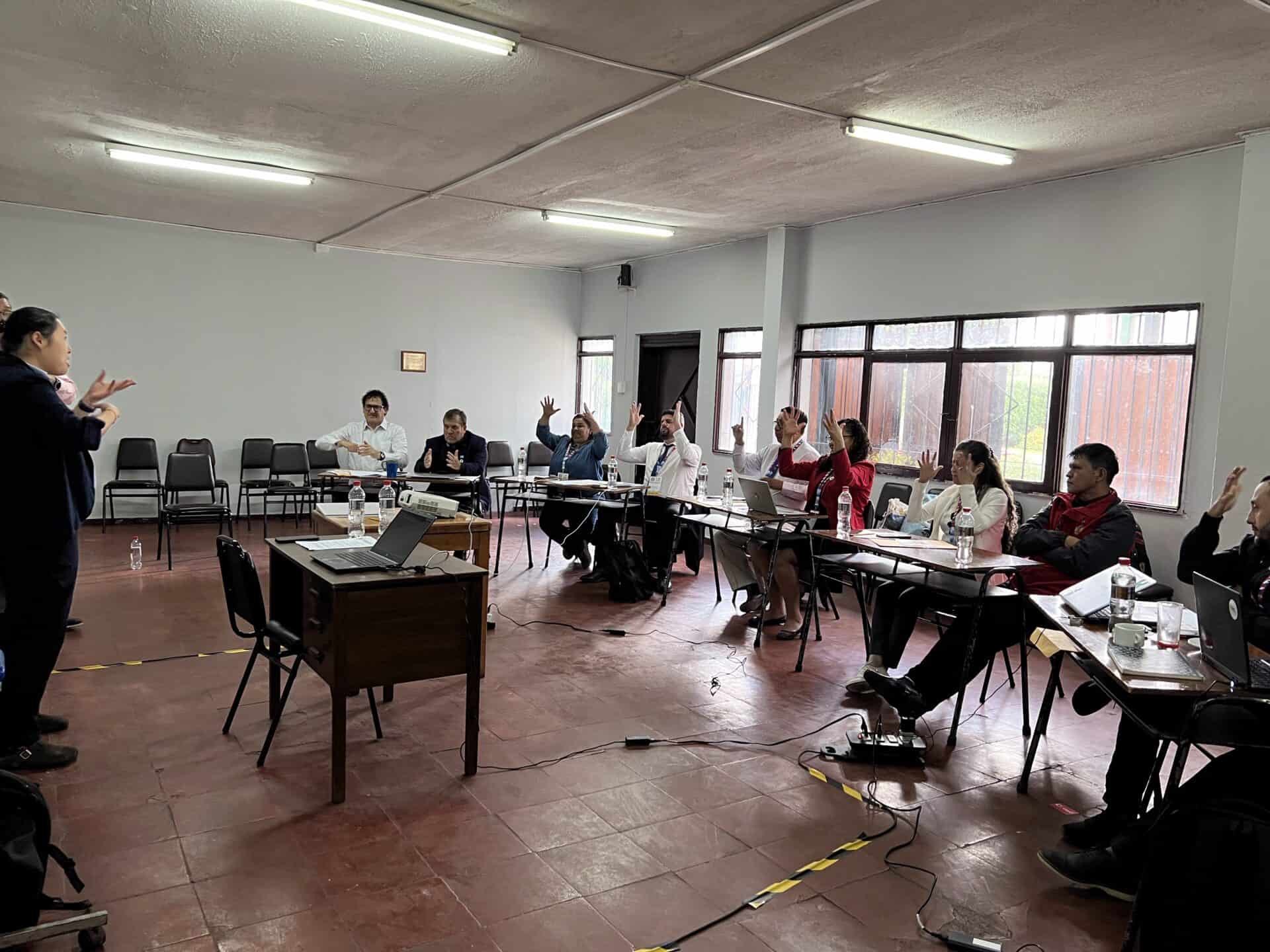
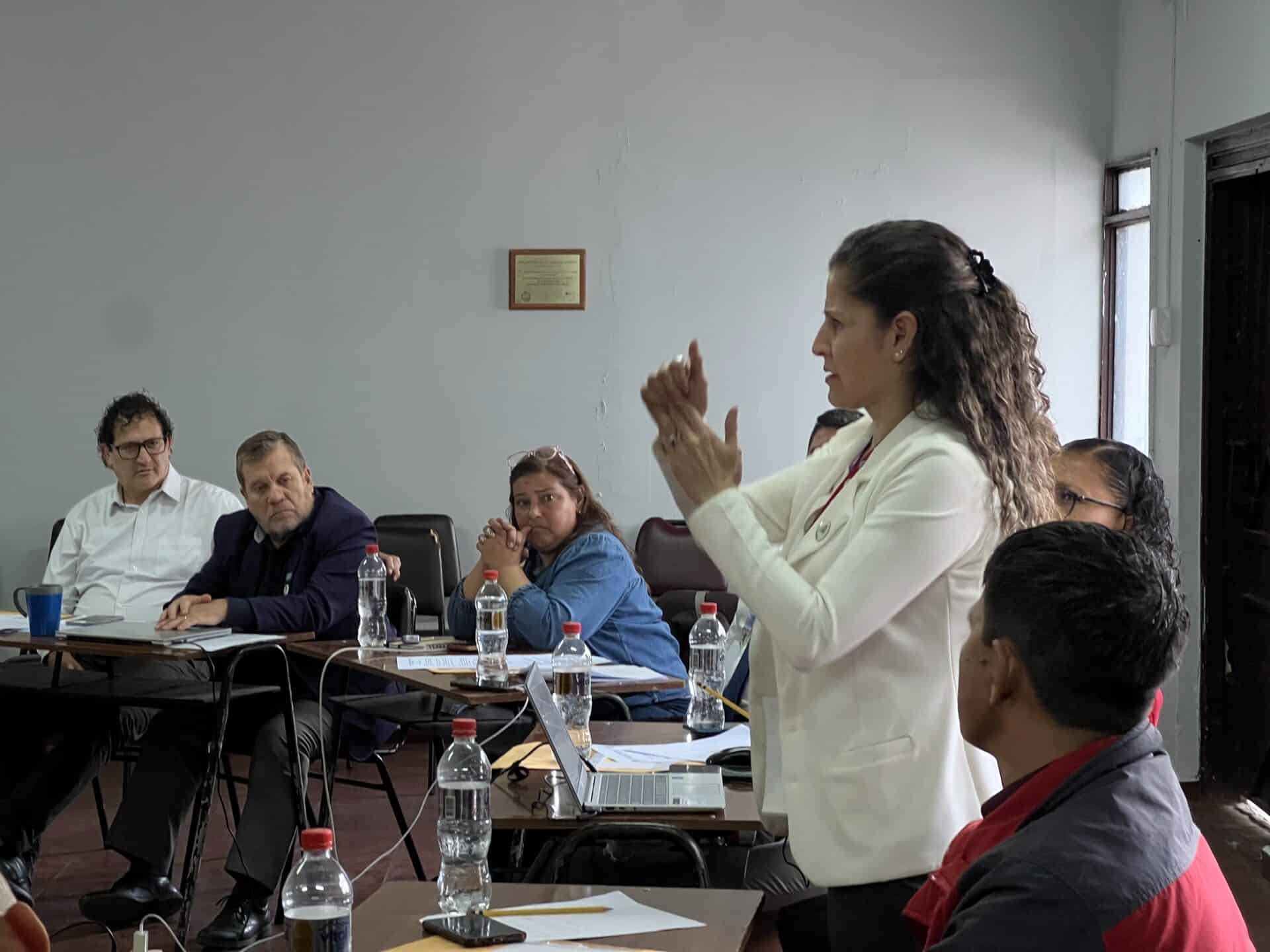
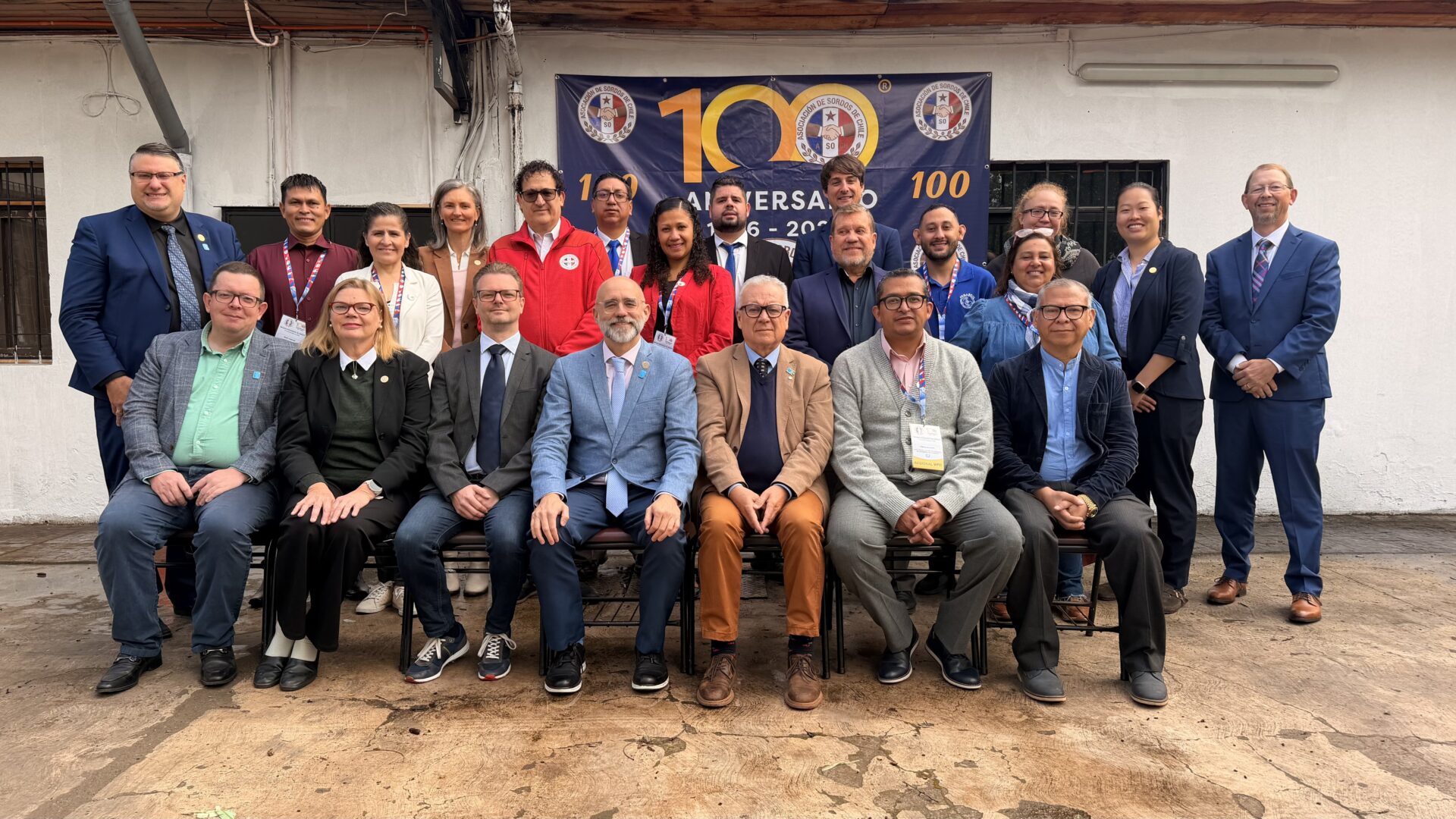
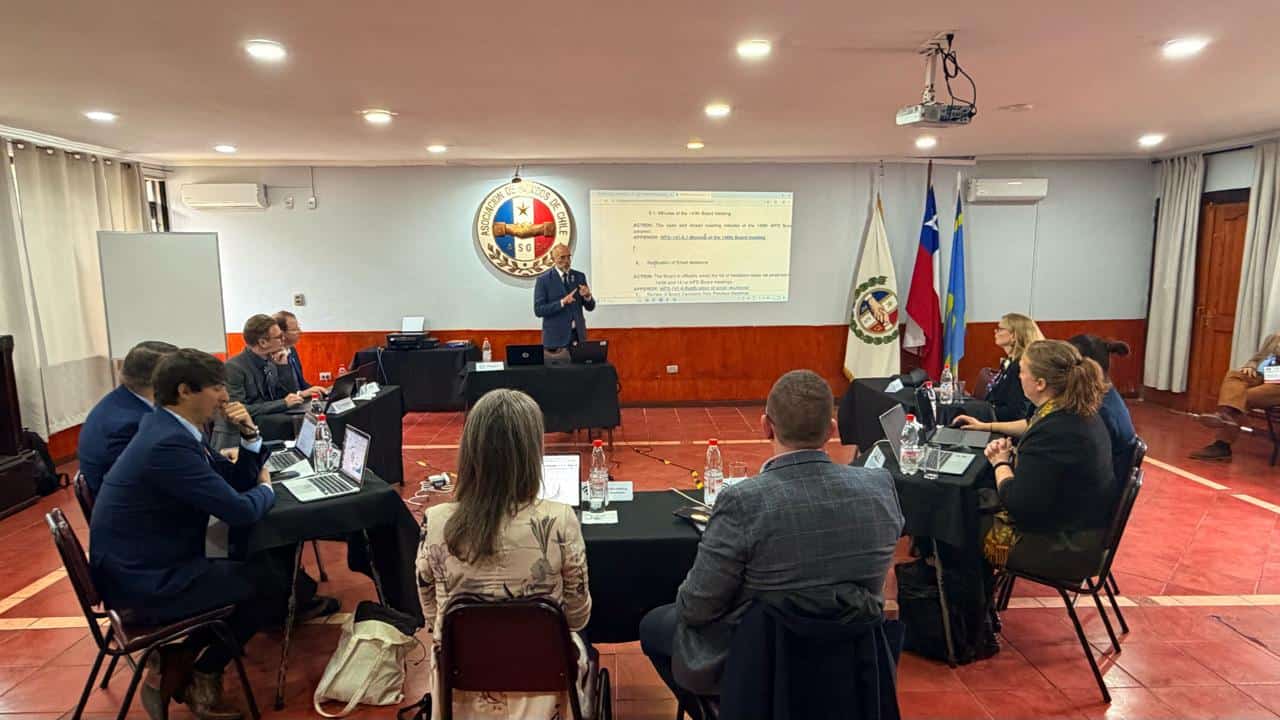
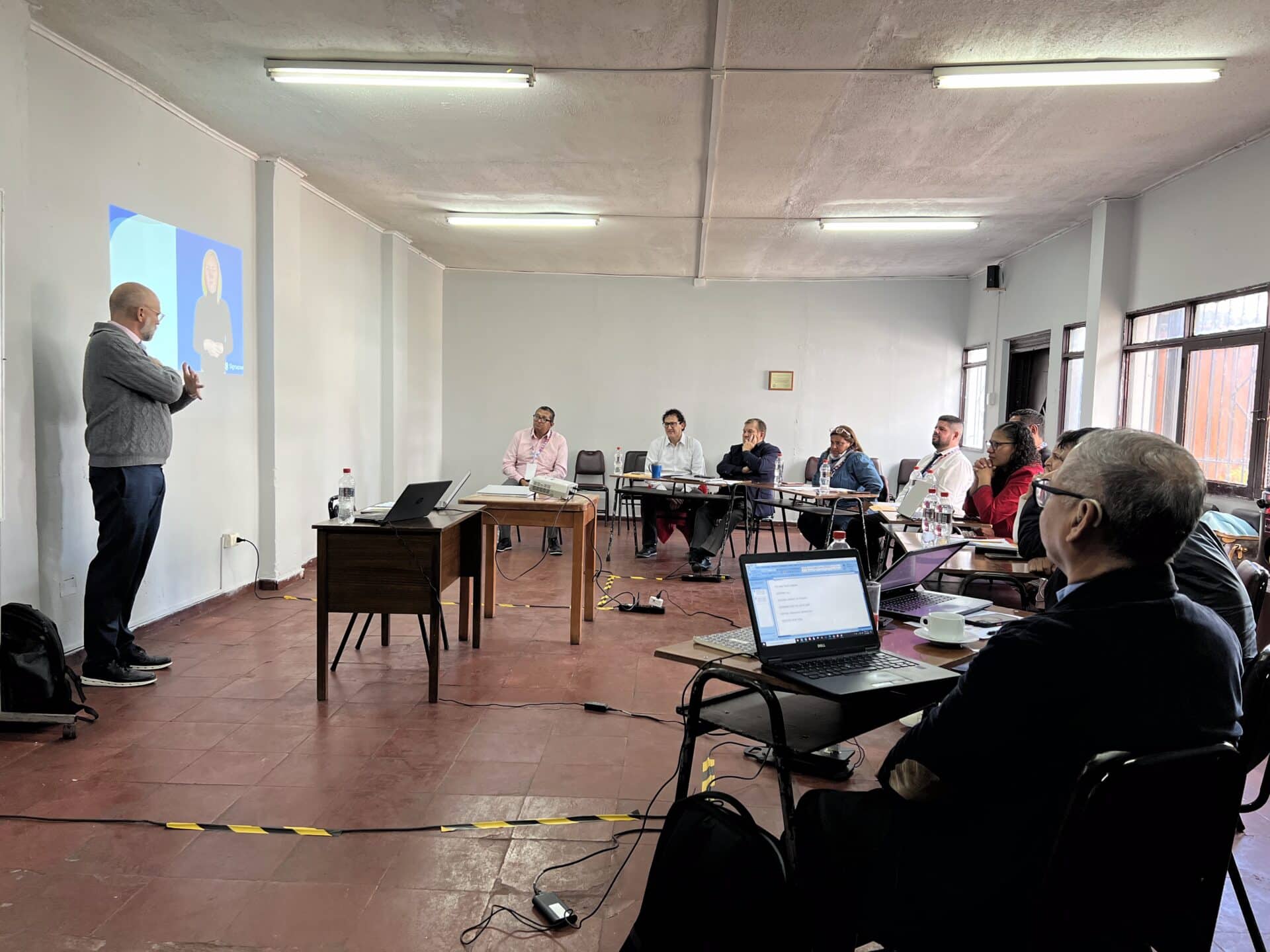
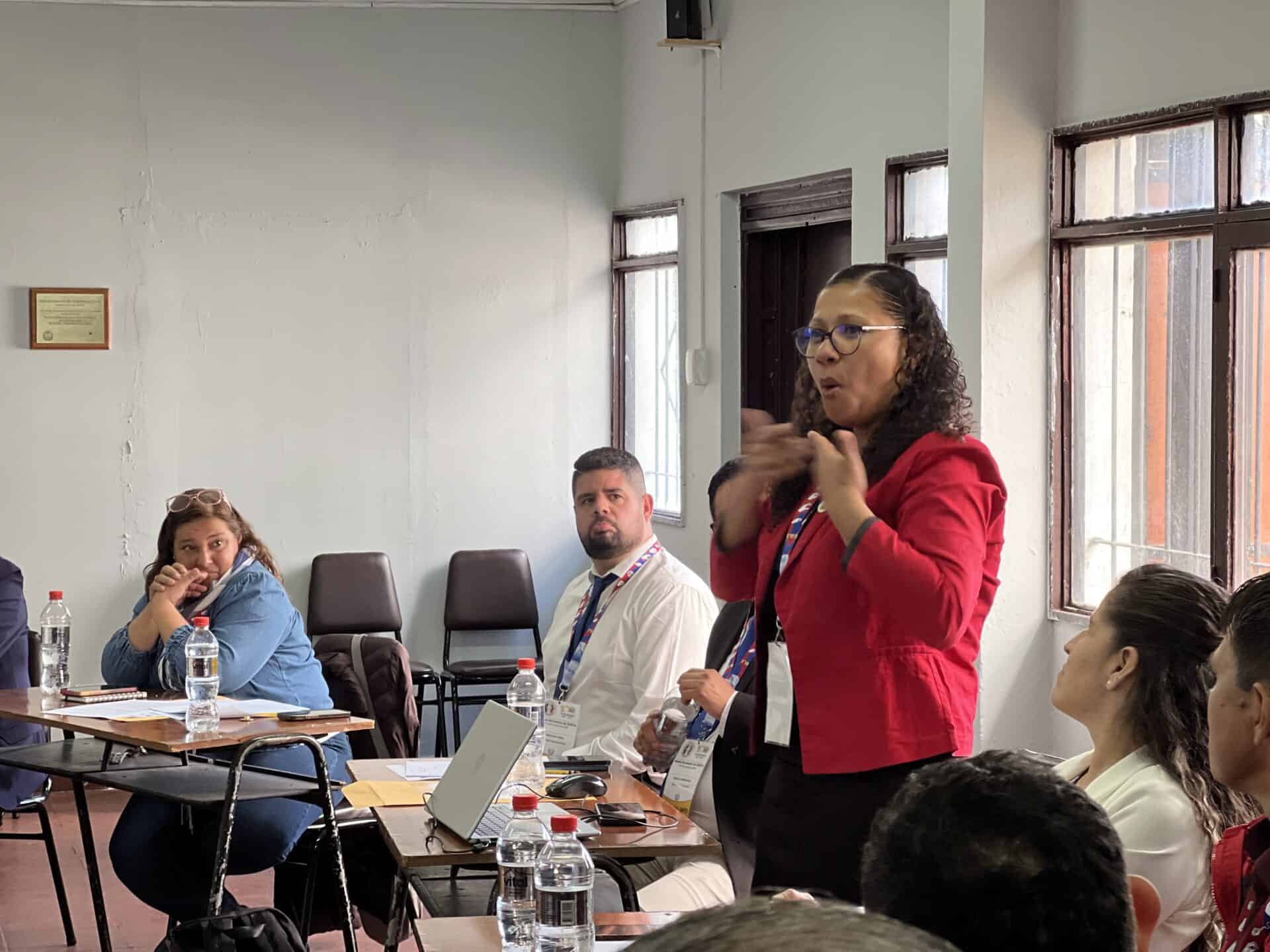
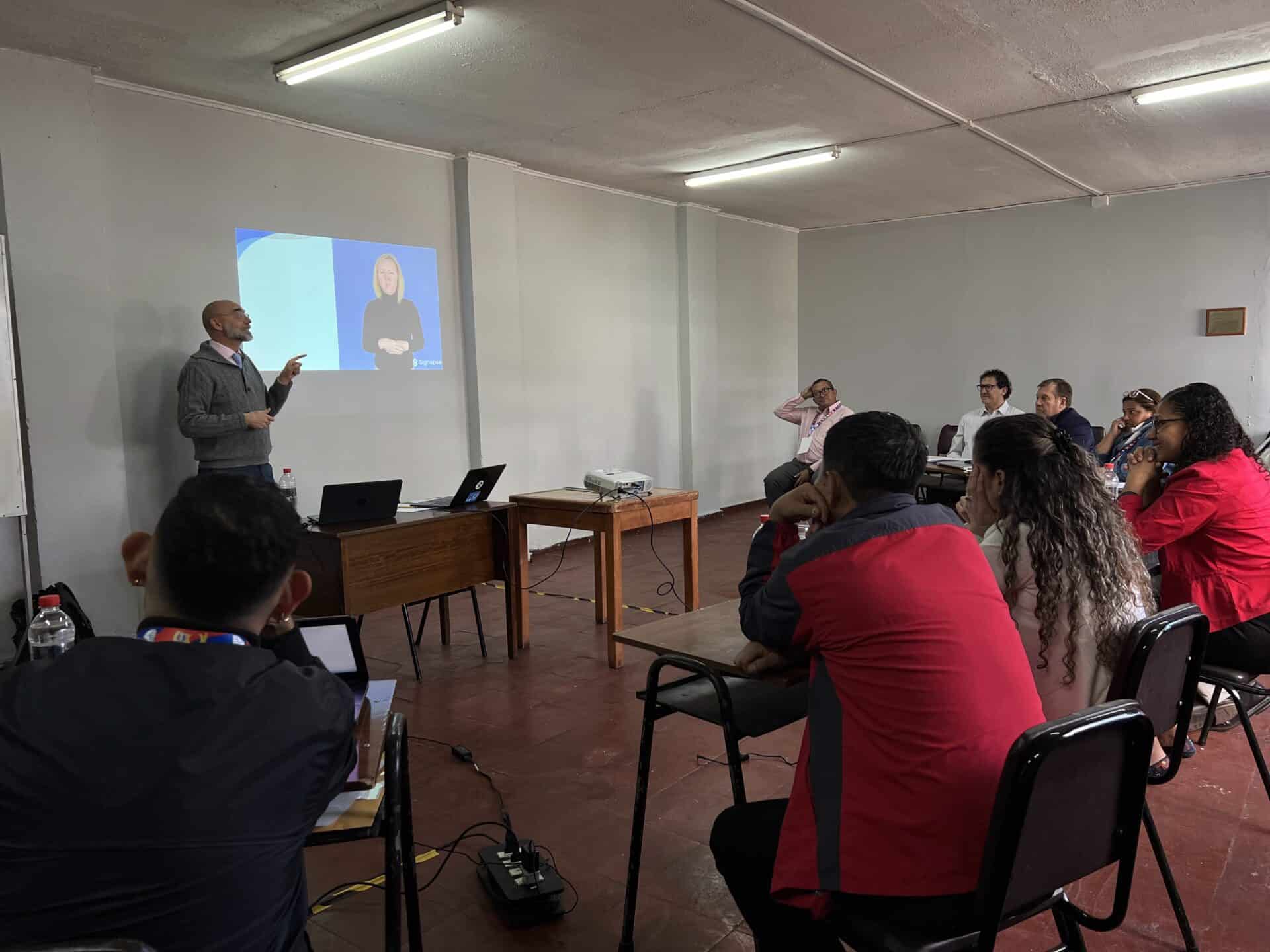
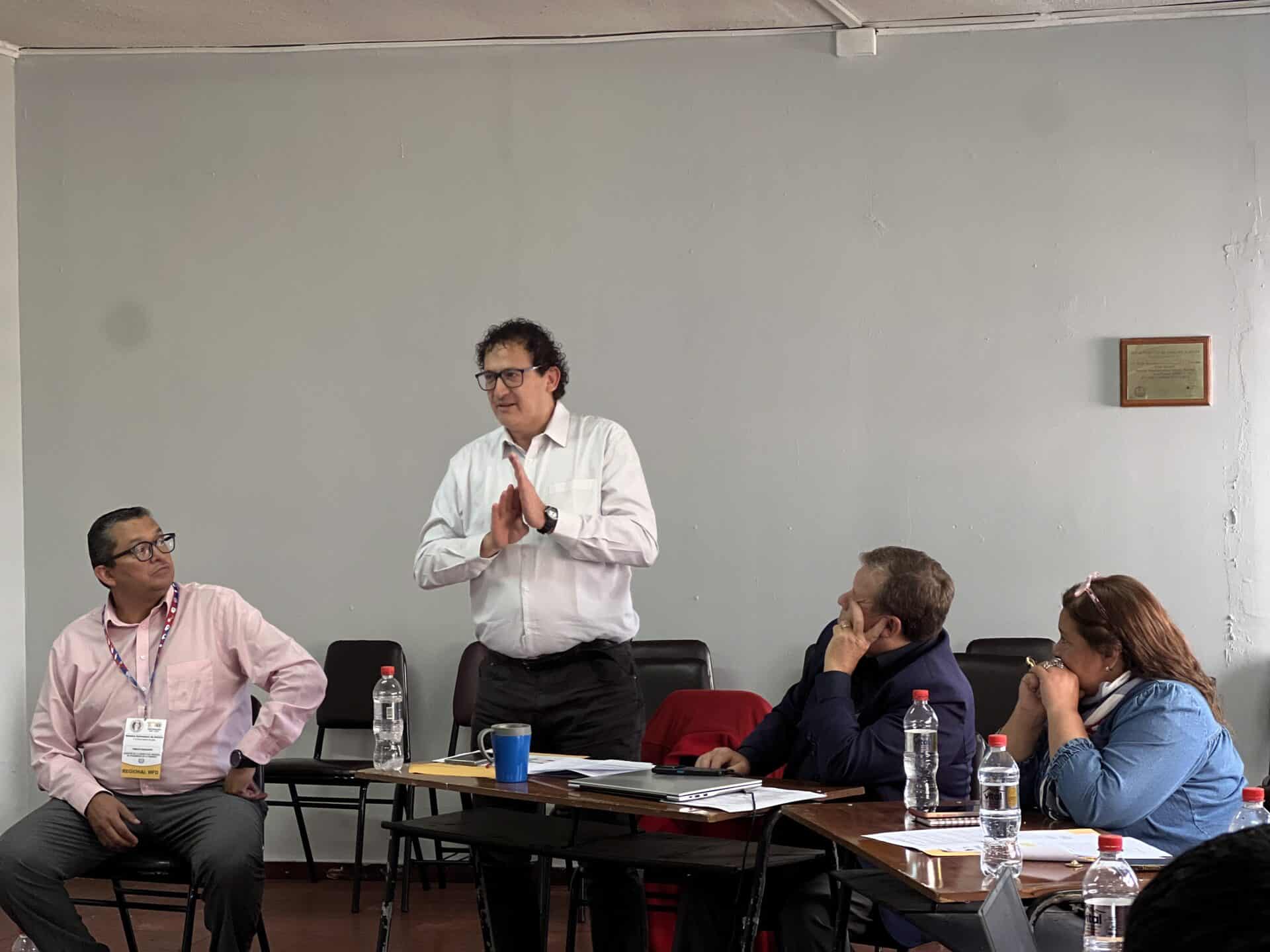
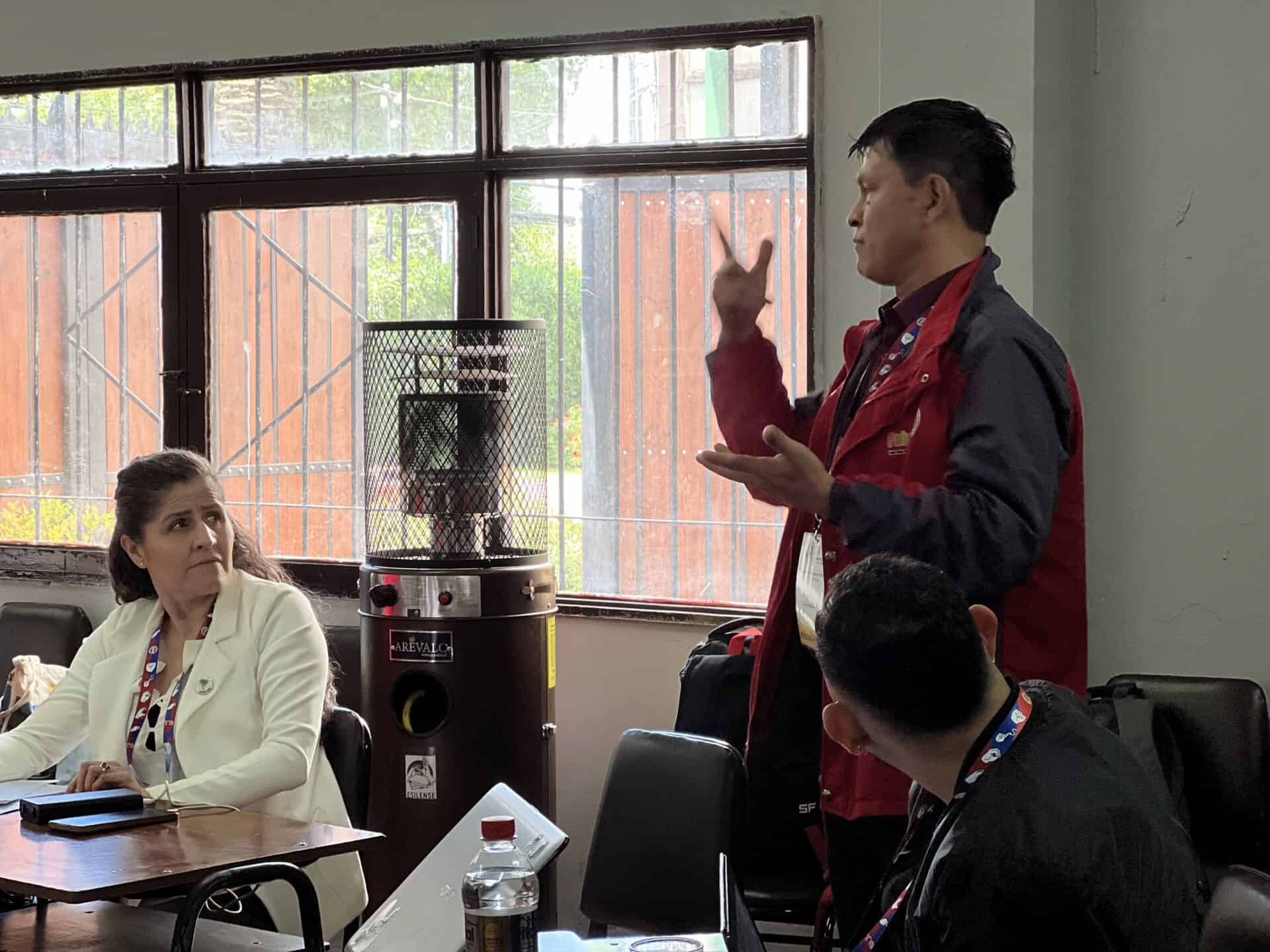
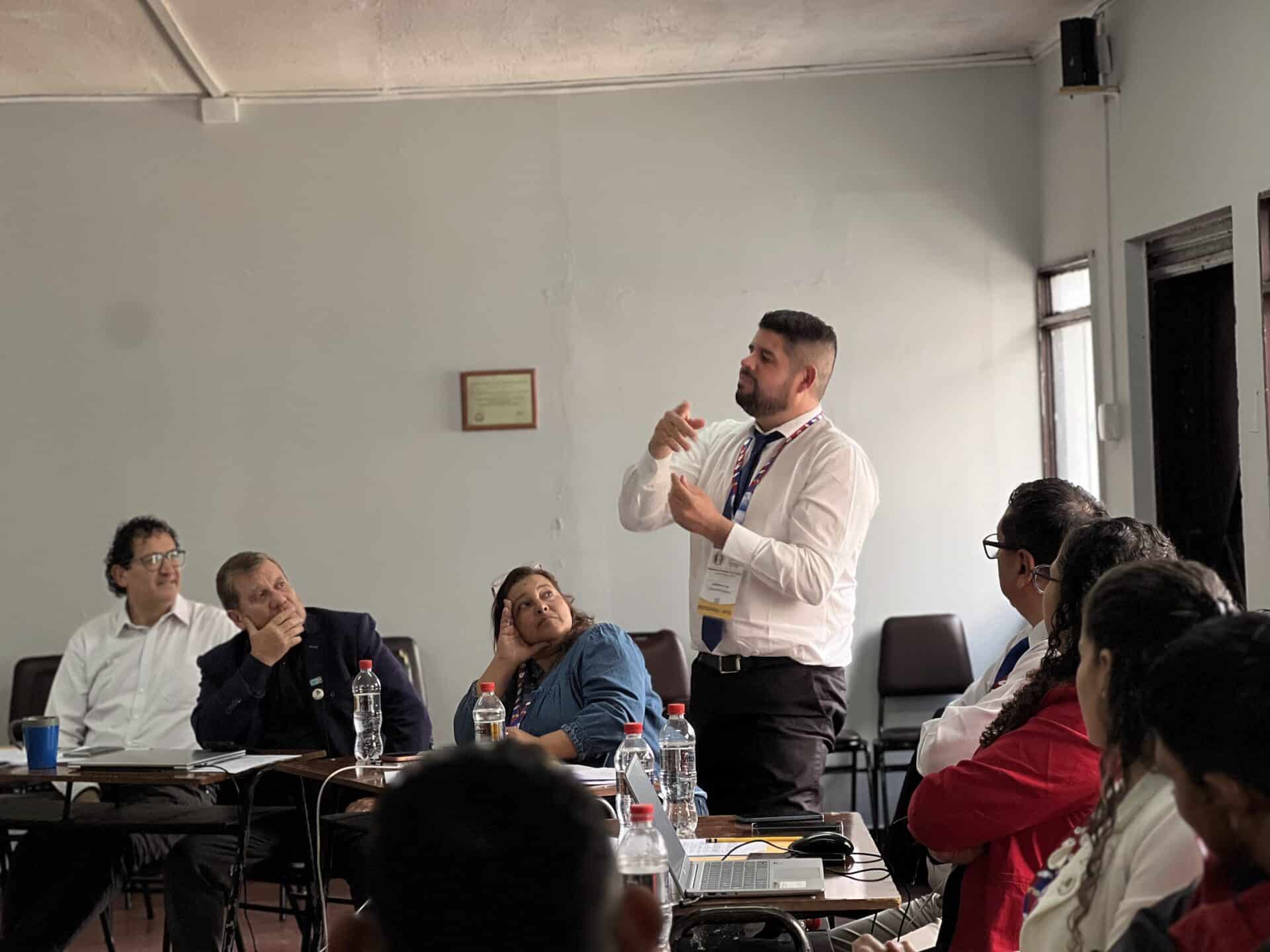
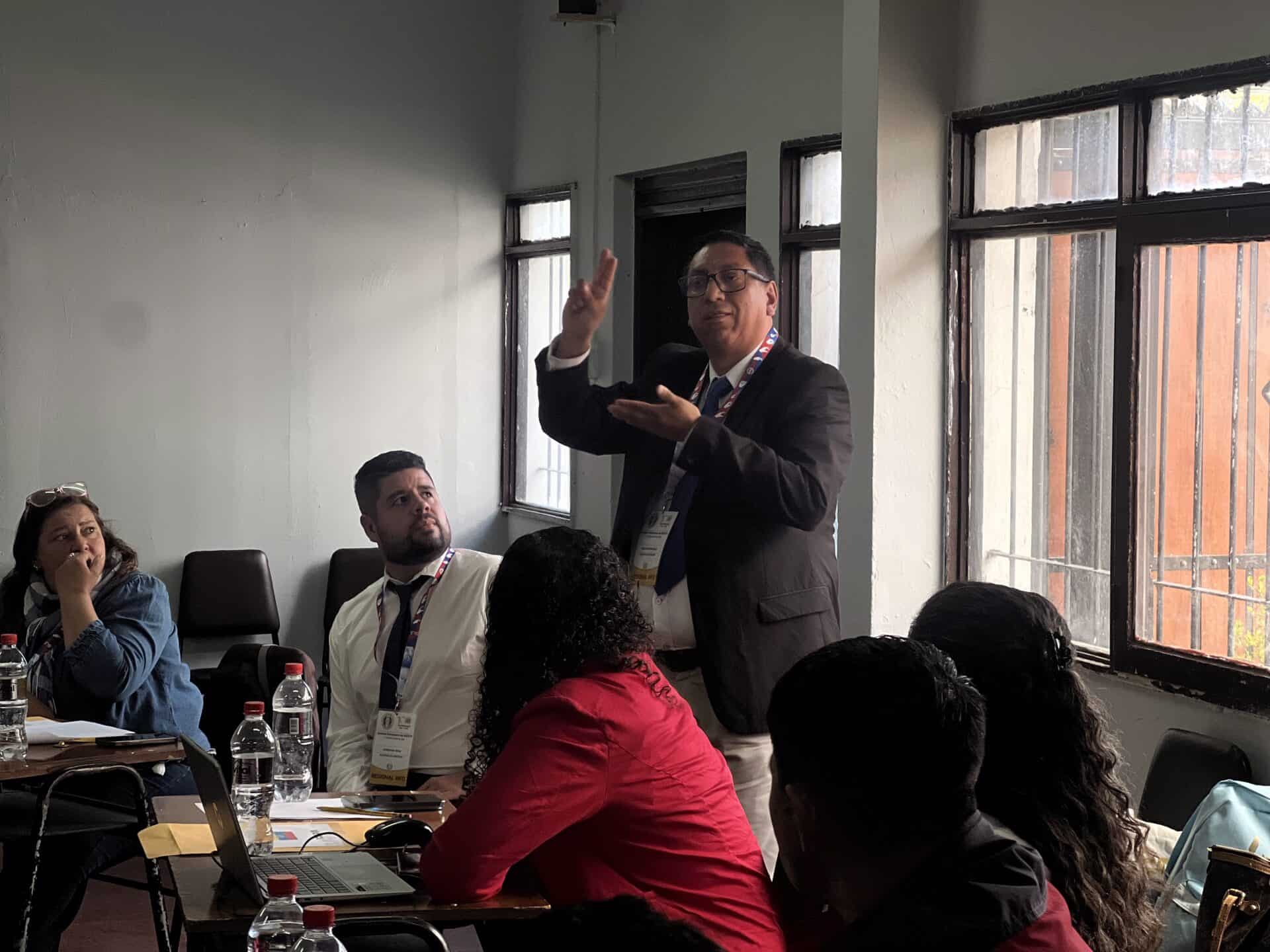
The Regional Secretariat for South America of the World Federation of the Deaf (WFD) brought together its ordinary members from Ecuador, Colombia, Chile, Bolivia, and Argentina for a regional coordination meeting focused on strengthening regional governance, aligning shared priorities, and advancing the human rights of deaf people across South America.
The meeting served as a strategic space for regional dialogue, collective decision-making, and cooperation between national deaf associations. It connected regional priorities with the WFD’s broader global human rights agenda, reinforcing the role of deaf-led organisations in policy development, leadership strengthening, and the recognition of sign languages and the linguistic and cultural rights of deaf people.
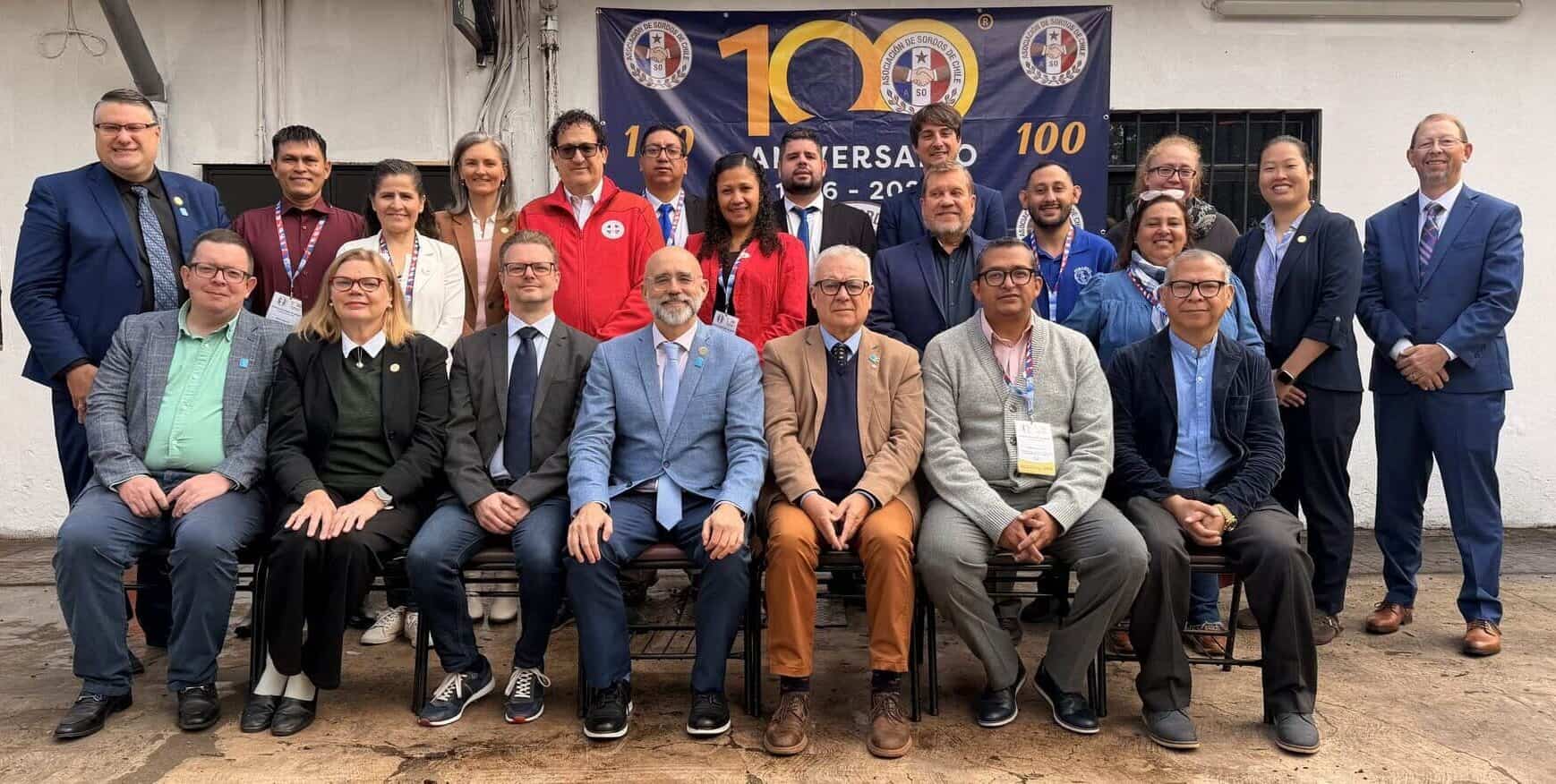
A central focus was the 20th anniversary of the Convention on the Rights of Persons with Disabilities (CRPD), providing an opportunity to reflect on progress, identify persistent barriers, and consider priorities for the next two decades (2026–2046). Discussions highlighted the importance of translating human rights commitments into meaningful action for deaf communities throughout the region.
The agenda also included a review of the updated Internal Regulations of the South American Region, the development of a regional work plan and shared commitments, and stronger cooperation between the Regional Secretariat, the Regional Youth Secretariat, and national member organisations.
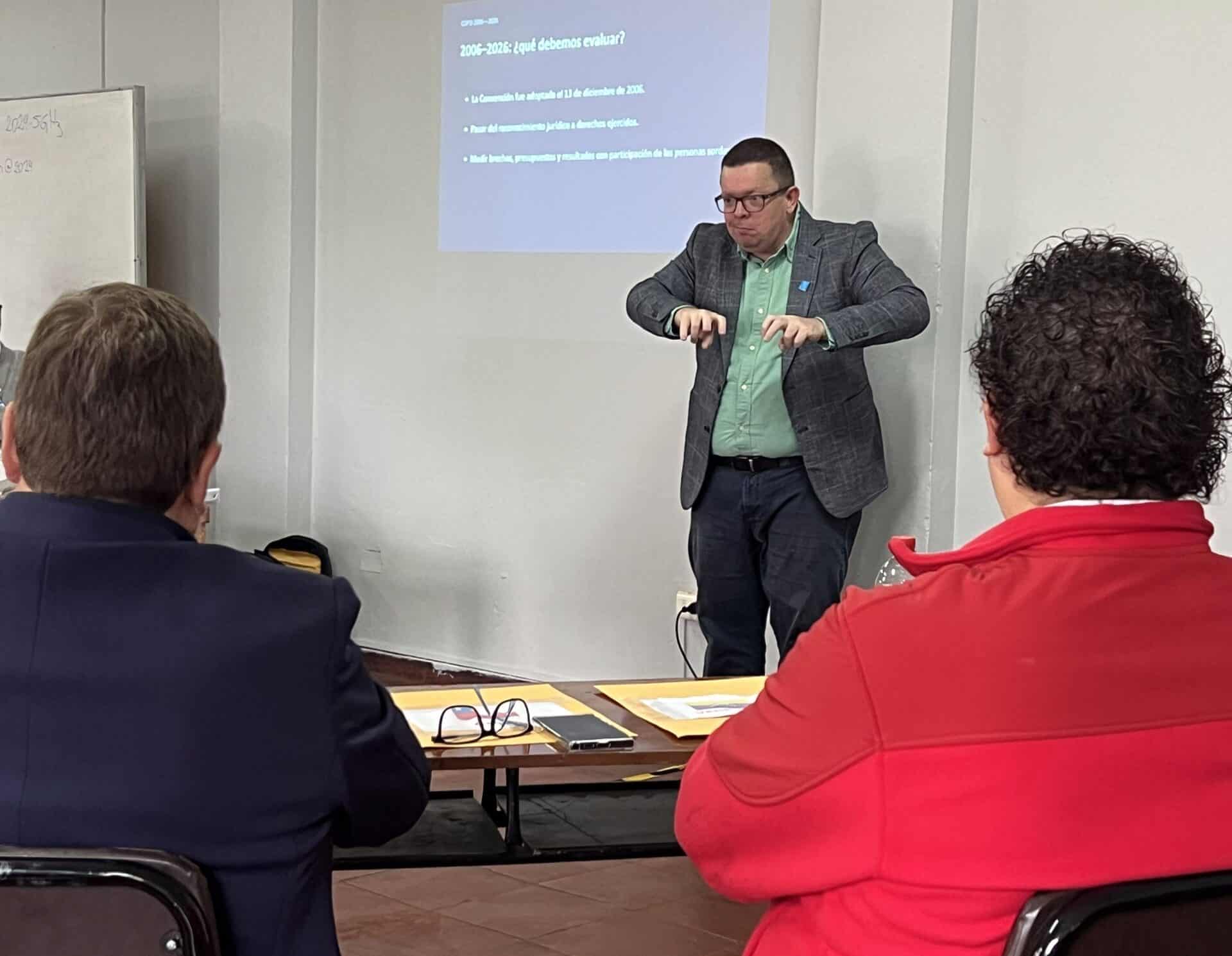
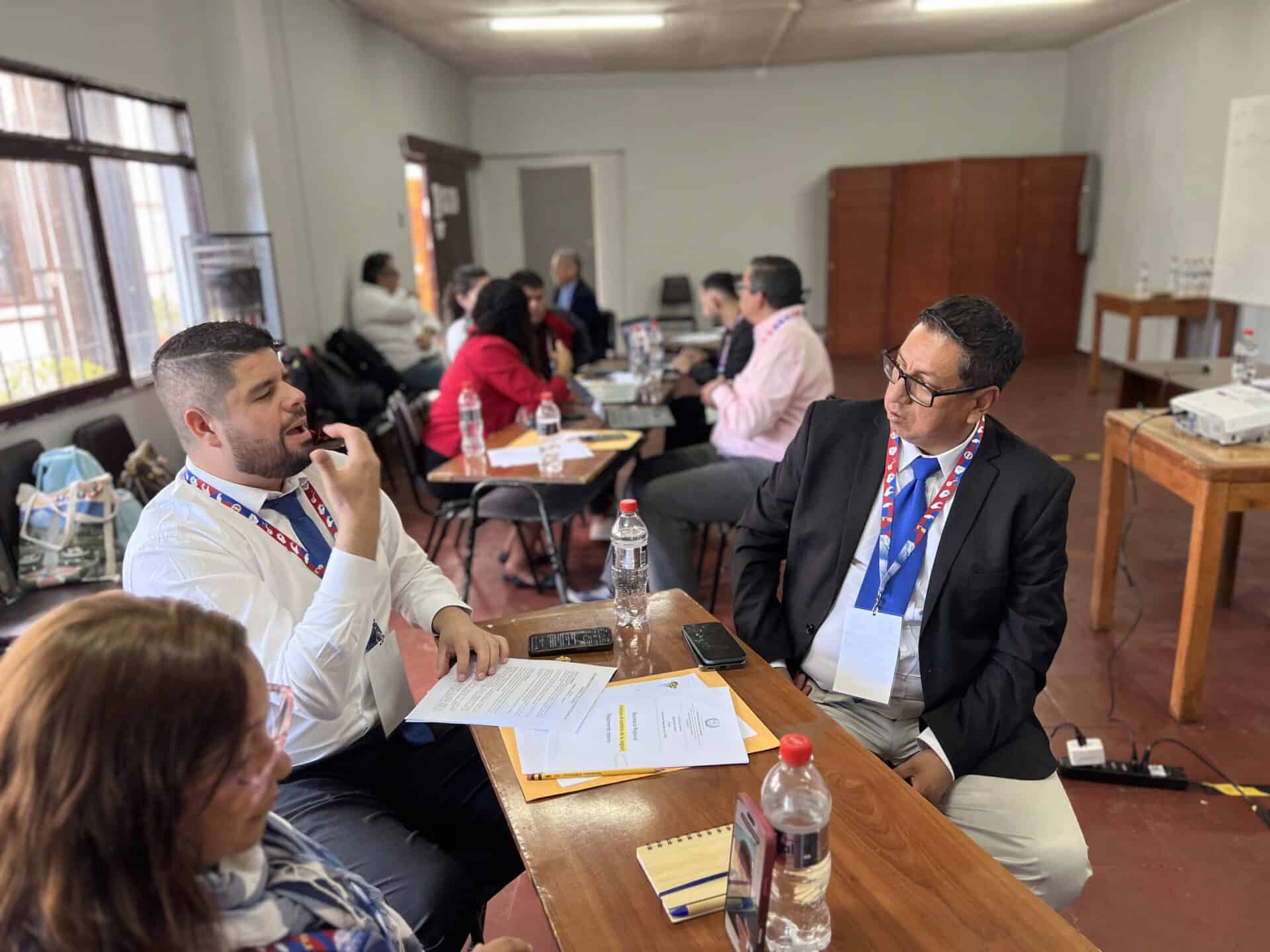
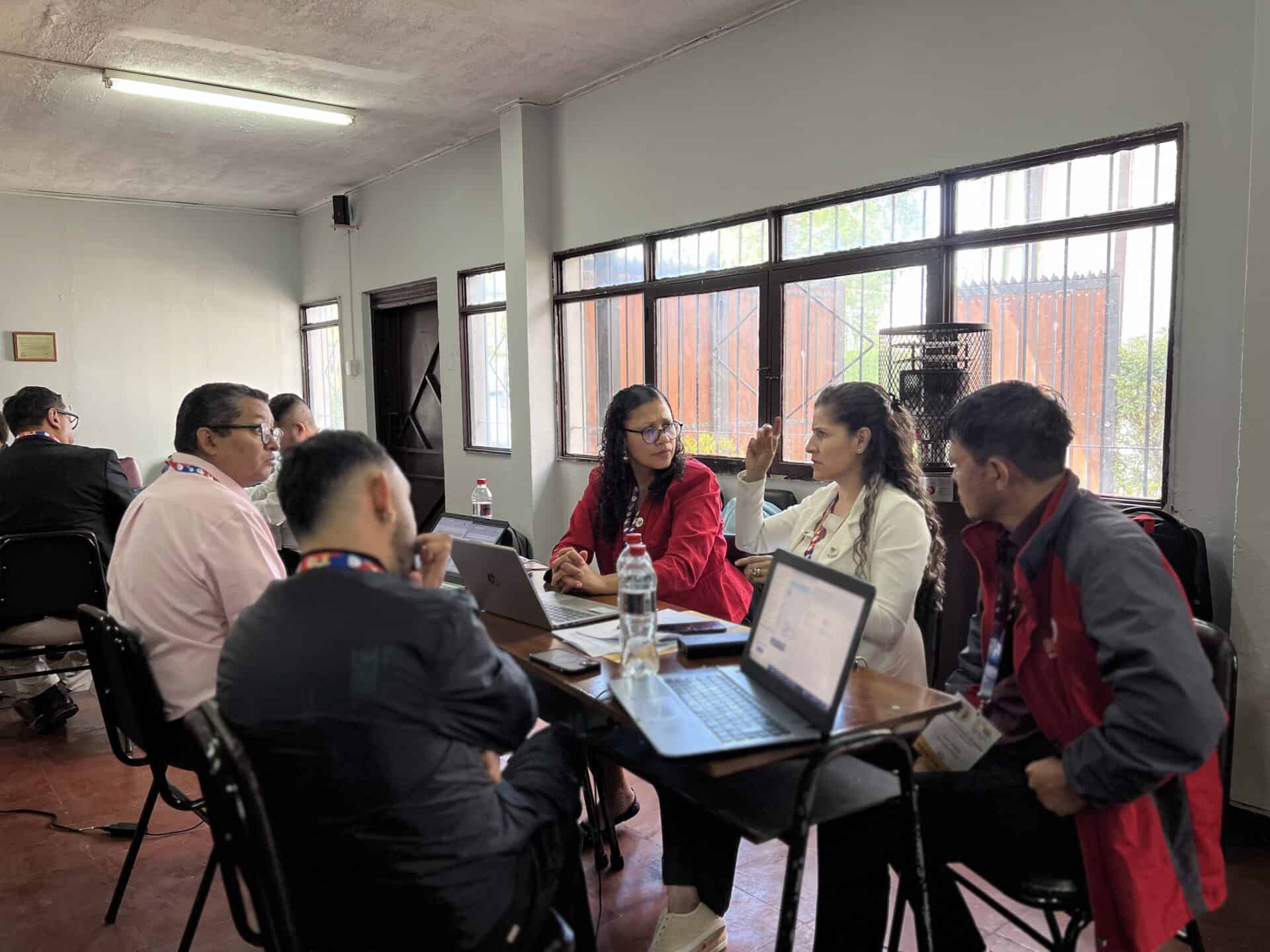
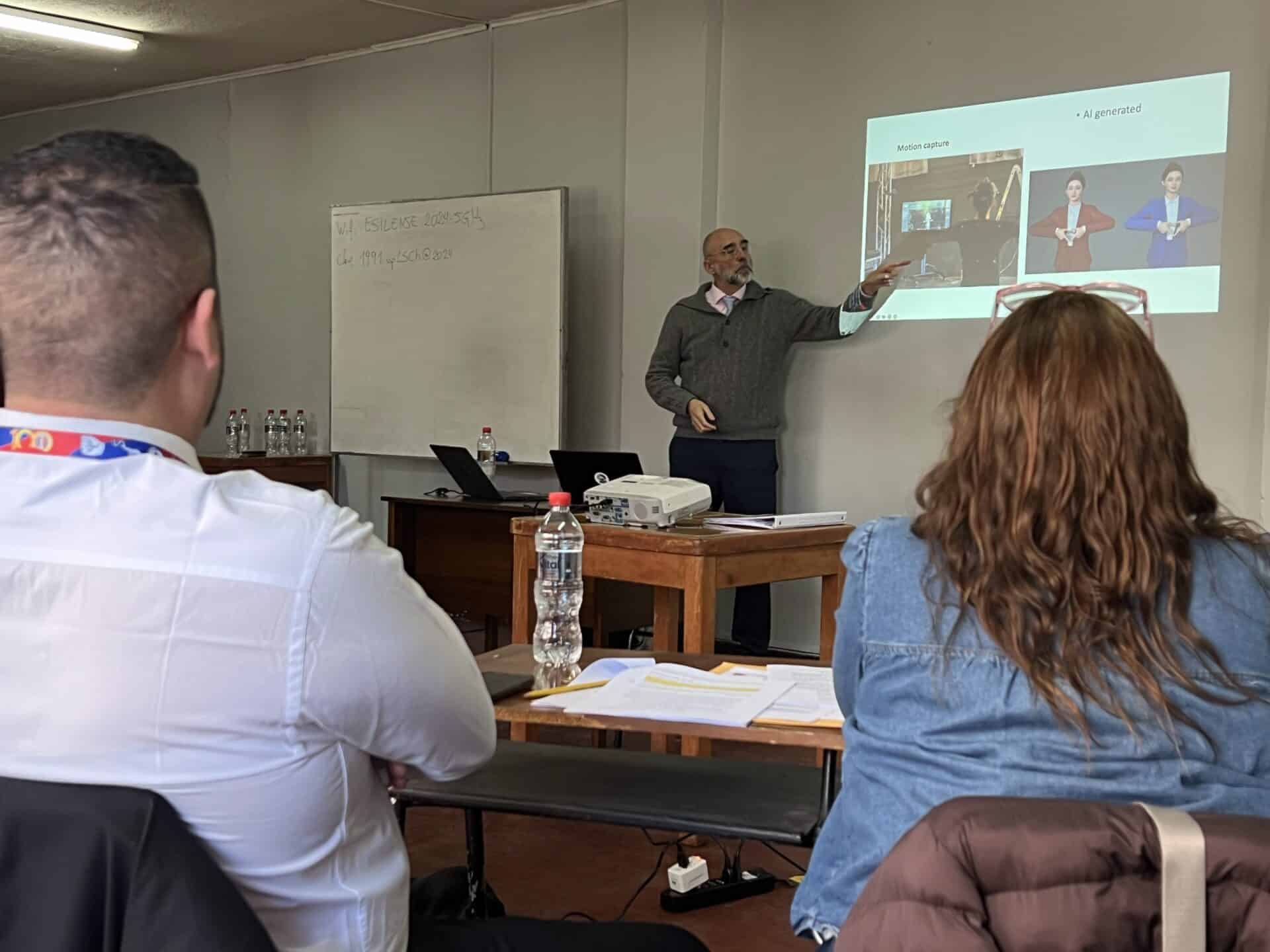
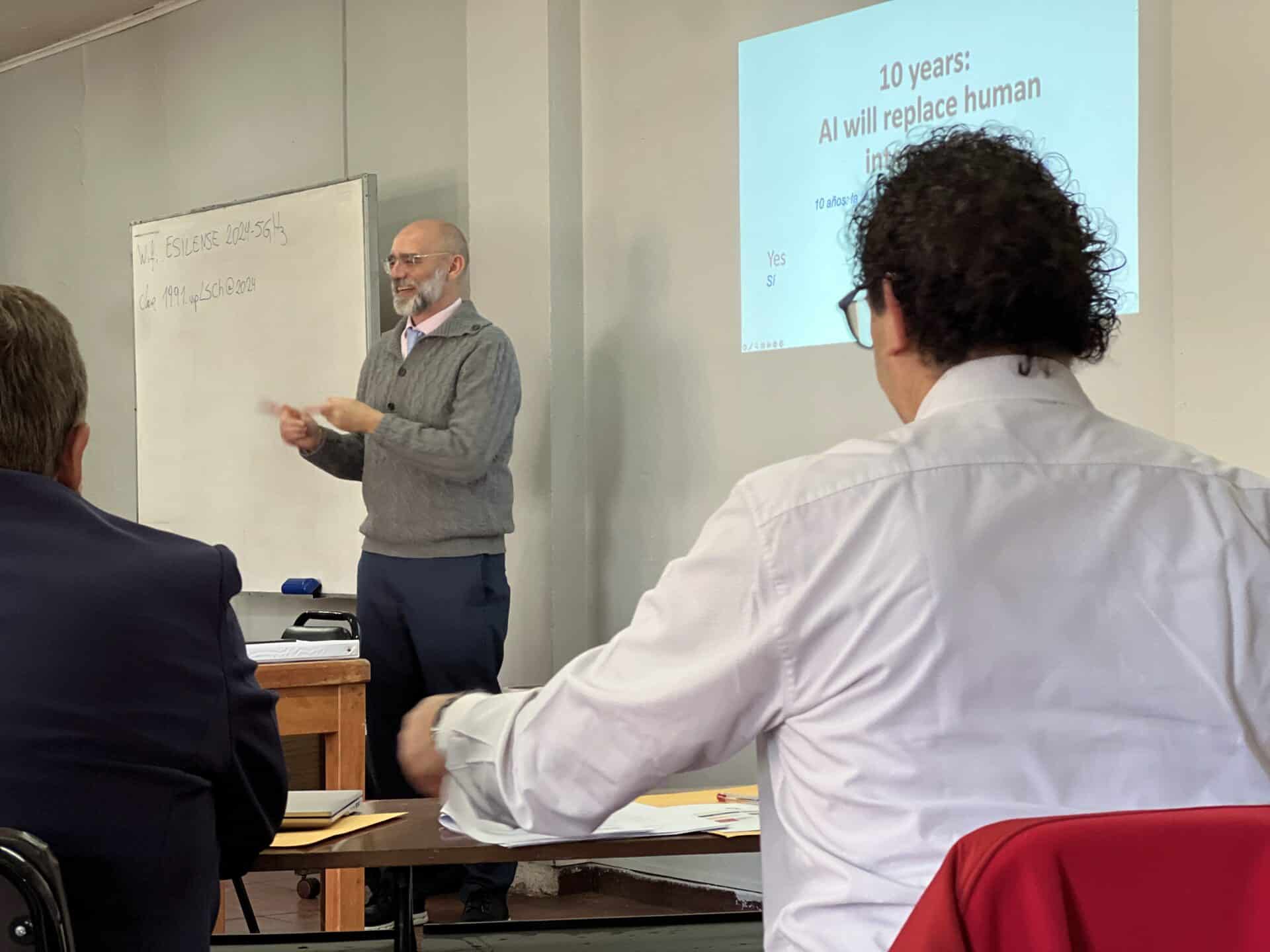
Participants also discussed a proposed WFD workshop on artificial intelligence (AI), focusing on its implications for communication, accessibility, inclusion, and the rights of deaf people. Discussions emphasised the importance of ensuring that technological developments respect sign languages and include deaf people in decisions shaping their digital future.
Reports from national associations contributed to identifying regional needs, common challenges, and opportunities for coordinated action.
The meeting reinforced the Regional Secretariat’s role as a platform for regional coordination, collective leadership, and cooperation within the WFD. It connected regional priorities with wider international efforts to advance human rights, sign language rights, accessibility, and equal participation.
Regional coordination and collective leadership remained central to strengthening cooperation among national member organisations and ensuring the active participation of deaf people across South America in the global deaf movement.