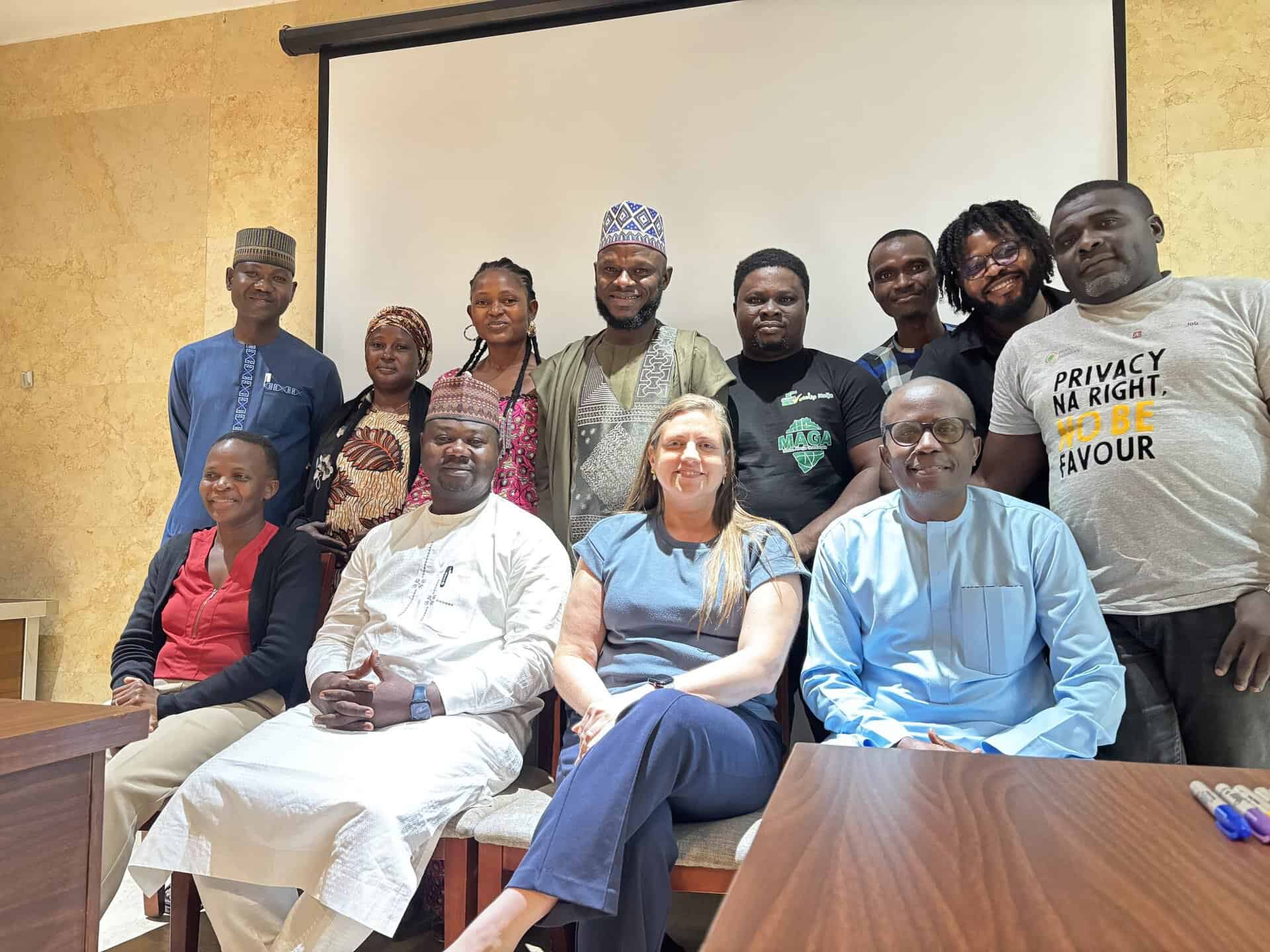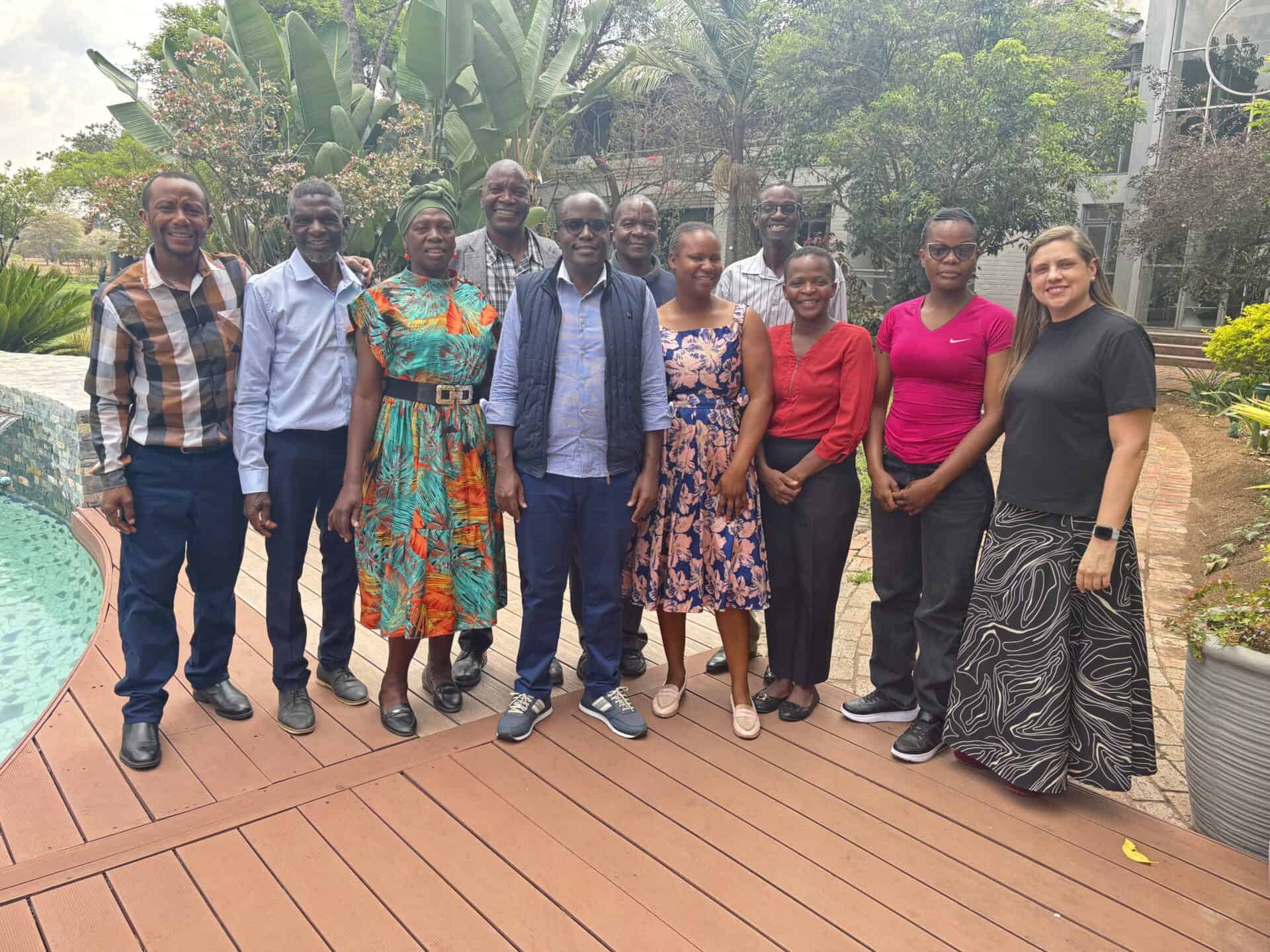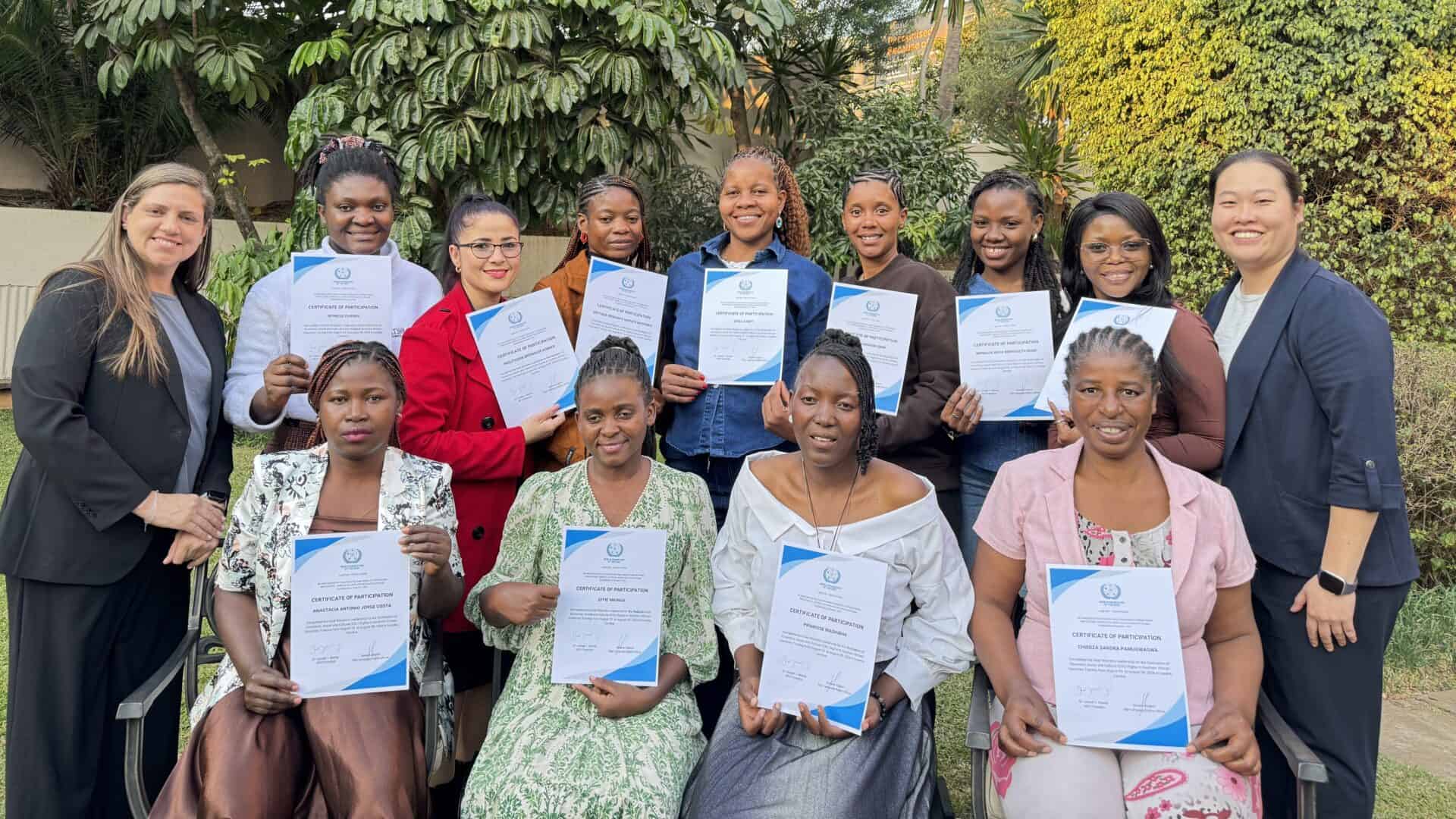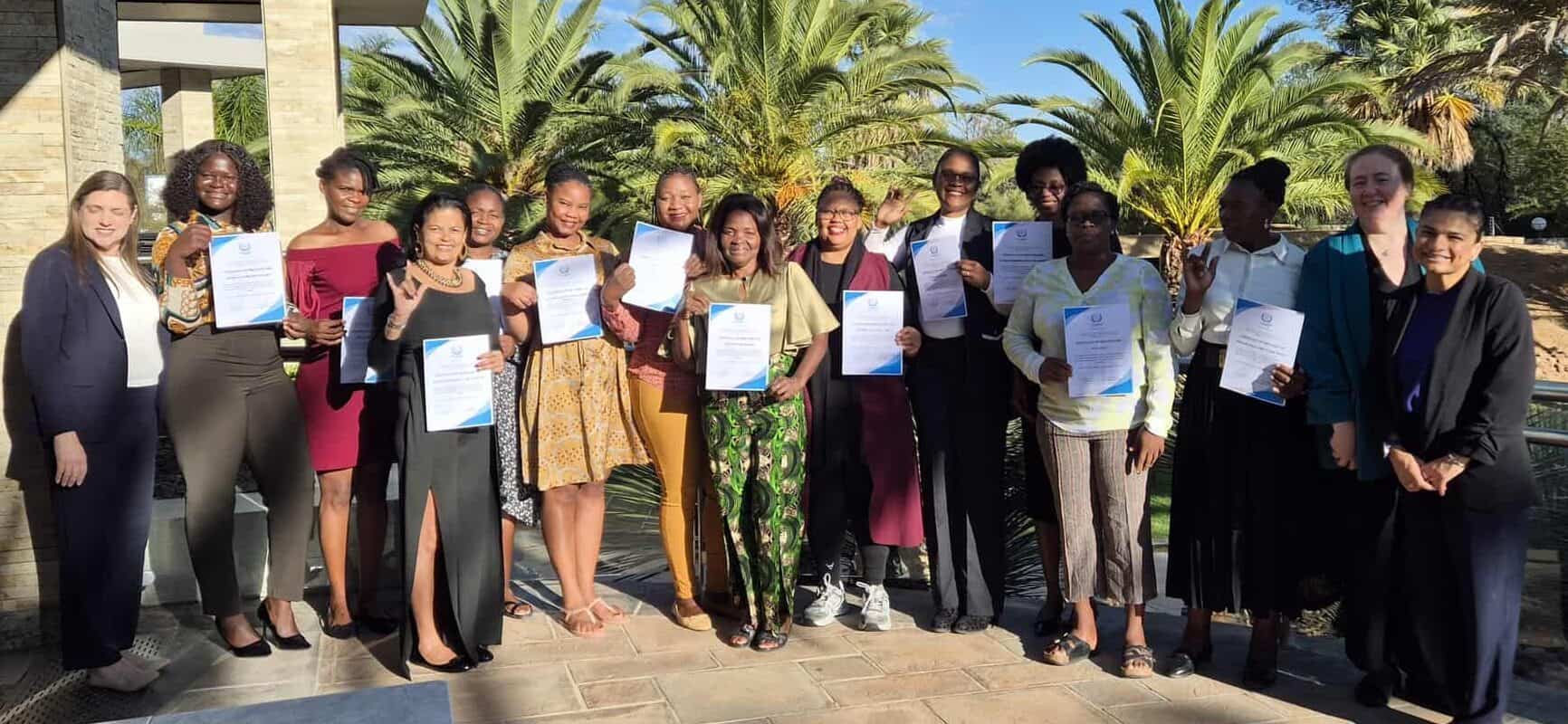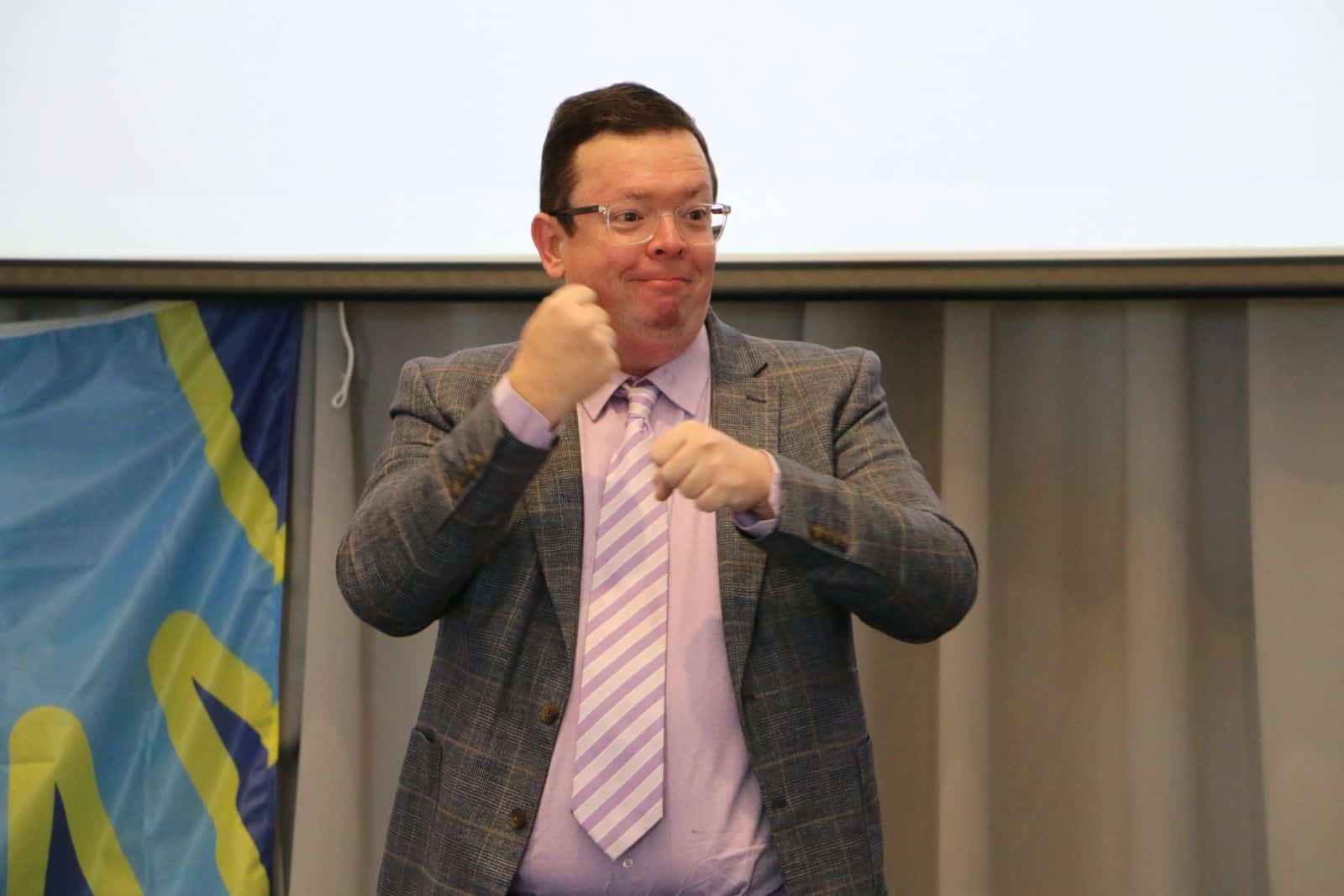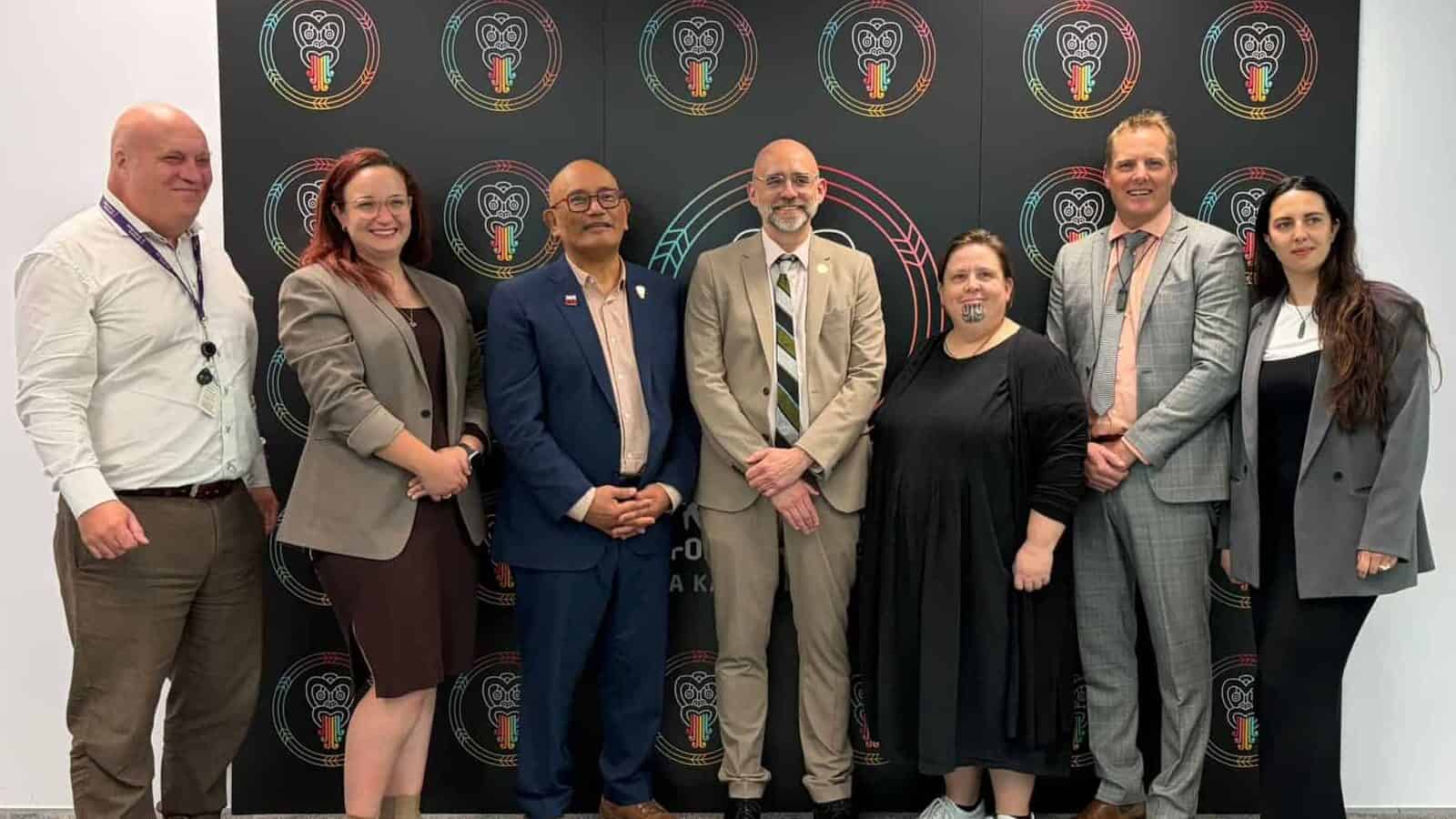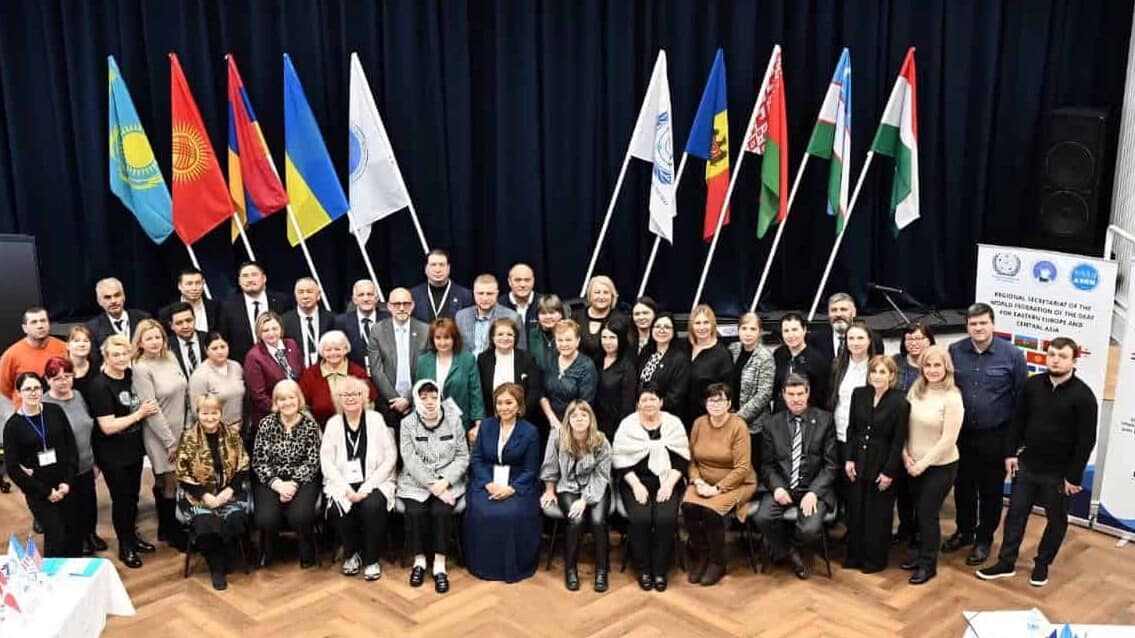
As part of the Rights in Action: Strong Connected OPDs for Inclusive Advocacy project, supported by CBM, the World Federation of the Deaf (WFD) conducted two technical assistance missions in Nigeria and Zimbabwe, focusing on organisational strengthening, sign language rights and evidence-based advocacy.
The missions took place in Nigeria from 29 September to 2 October 2026 and in Zimbabwe from 5 to 8 October 2026. Both aimed to strengthen national deaf-led organisations’ capacity to advocate for the human rights of deaf people and advance the recognition and implementation of their national sign languages.
From organisational strengthening to human rights advocacy
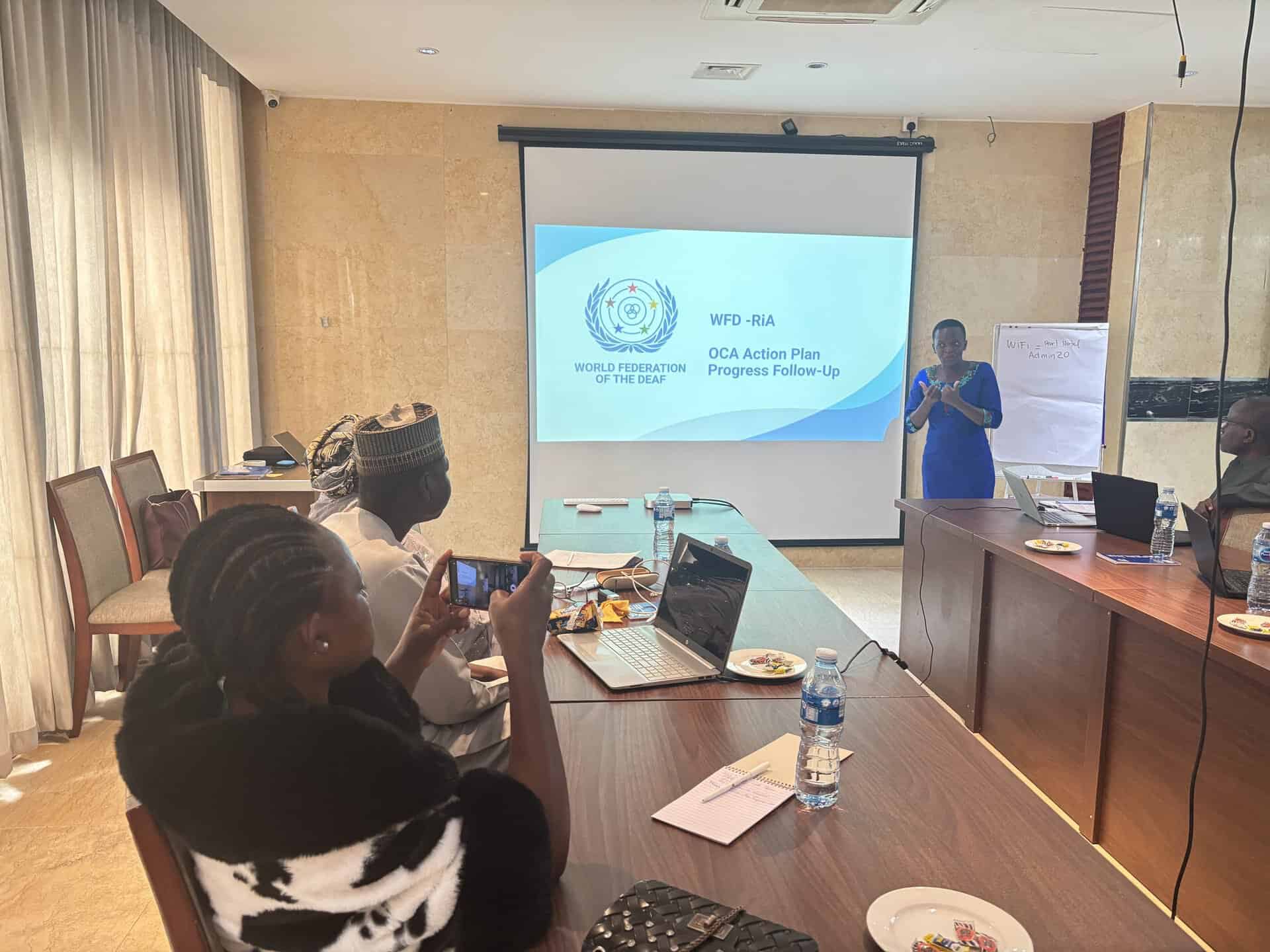
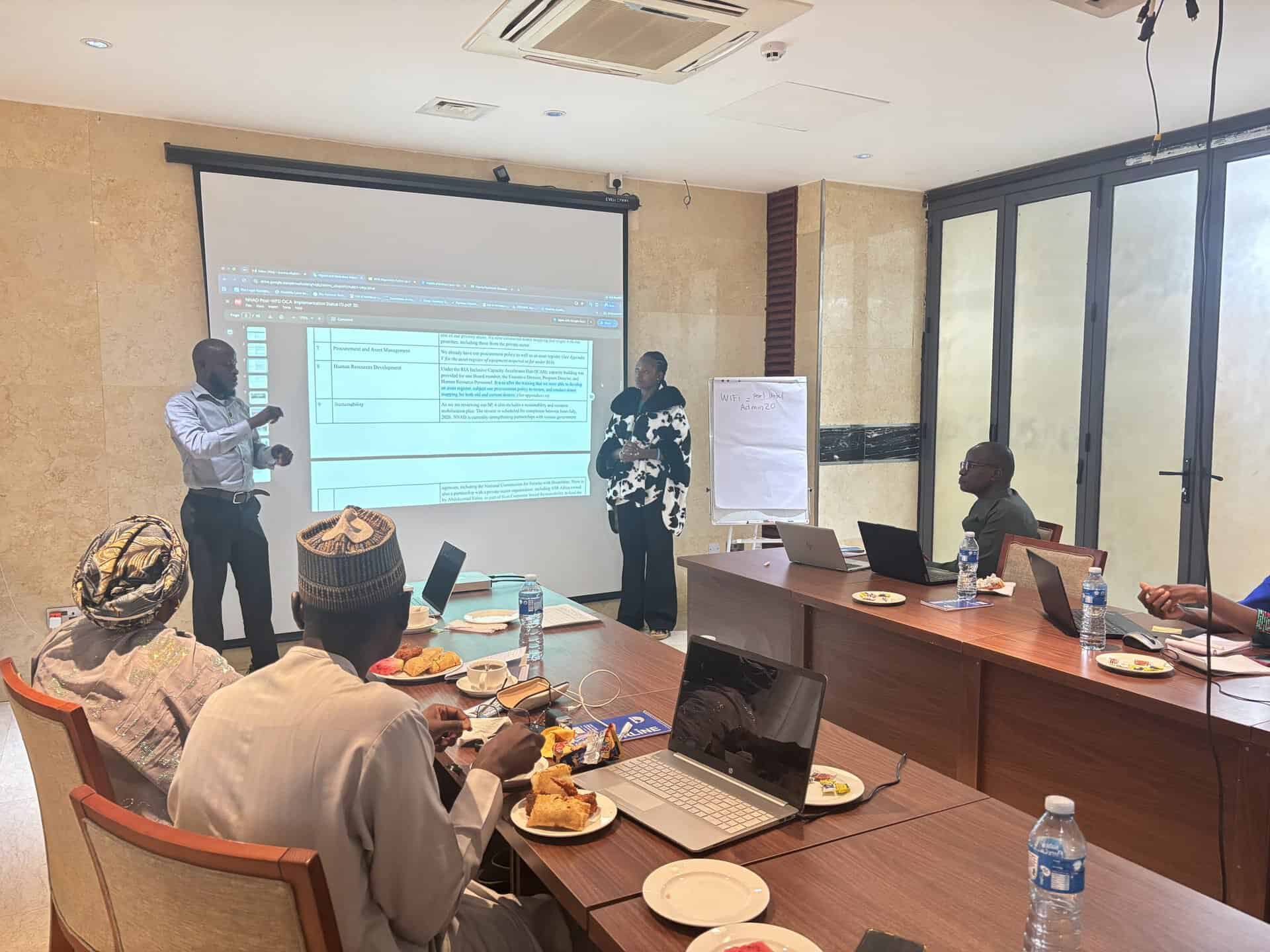
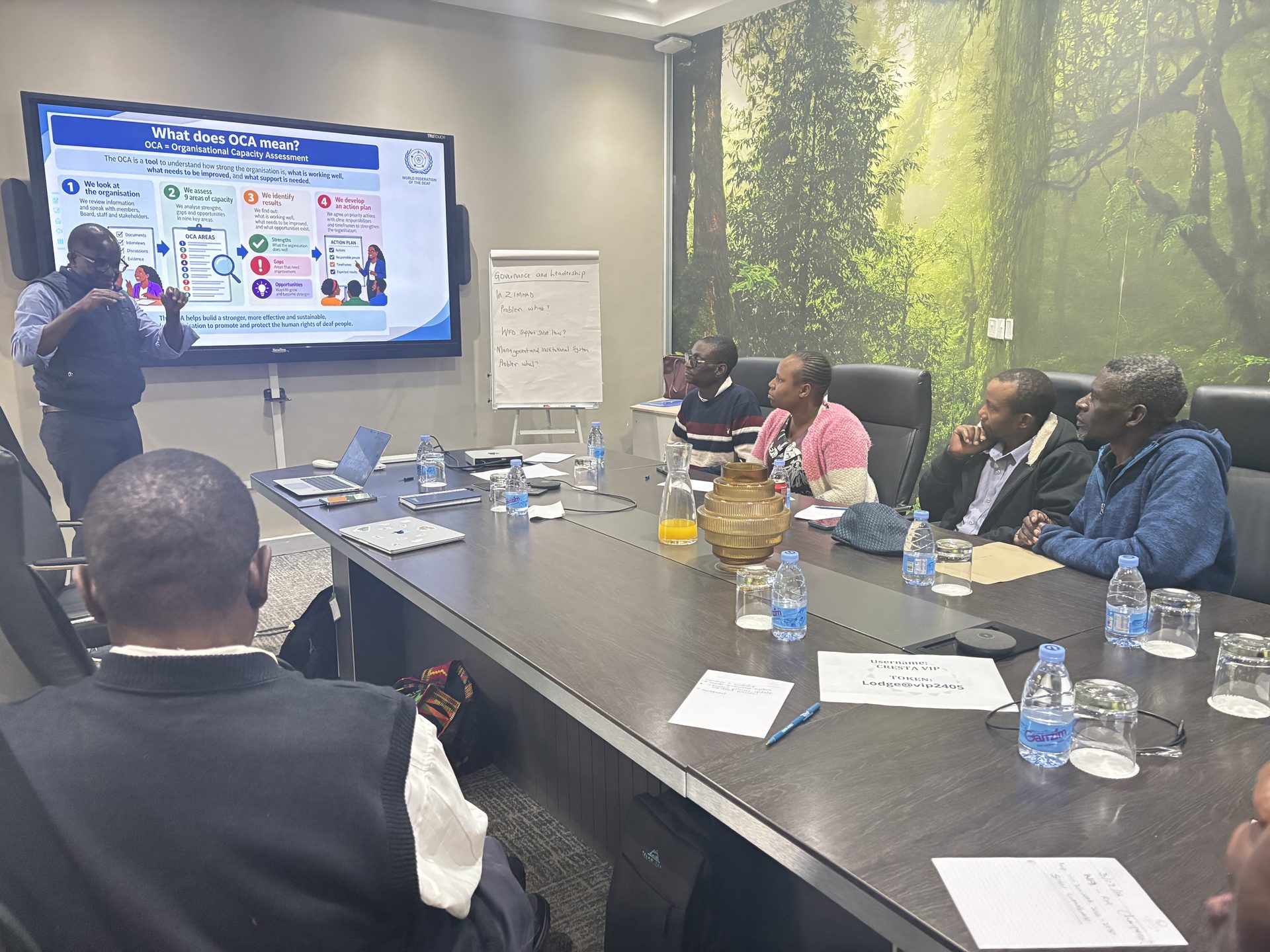
In both countries, the missions began with a review of progress on organisational capacity assessment action plans. Discussions focused on governance, accountability, internal coordination, strategic planning and inclusive deaf-led leadership, including the meaningful participation of deaf women, young people and other underrepresented groups.
Building on this organisational foundation, the missions addressed sign language rights from a human rights and linguistic rights perspective, drawing on the United Nations Convention on the Rights of Persons with Disabilities (CRPD). Participants examined the gap between legal recognition and effective implementation, identifying challenges relating to legislation, public policies, institutional responsibilities, resources and accountability.
Advancing sign language rights in Nigeria and Zimbabwe
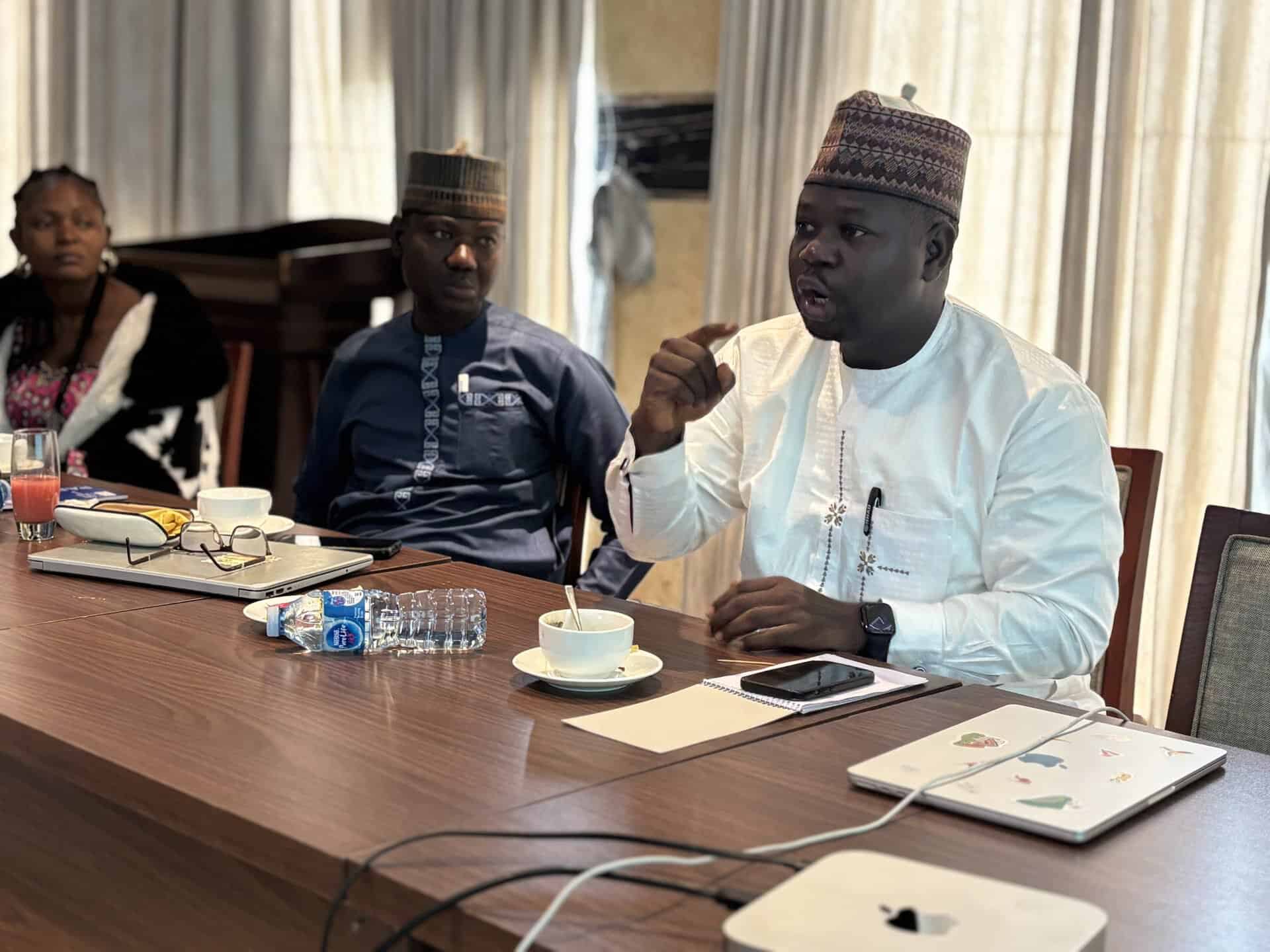
In Nigeria, the mission focused on strengthening advocacy for the legal recognition of Nigerian Sign Language. Activities included reviewing existing legislative proposals, policy documents and advocacy materials, assessing the relevant legal and policy frameworks, and identifying opportunities for advocacy at both federal and state levels.
The programme also explored stakeholder engagement, advocacy messaging and opportunities to use CRPD reporting processes to advance sign language rights. Engagement with relevant decision-makers was intended to help translate advocacy priorities into concrete requests for government action.
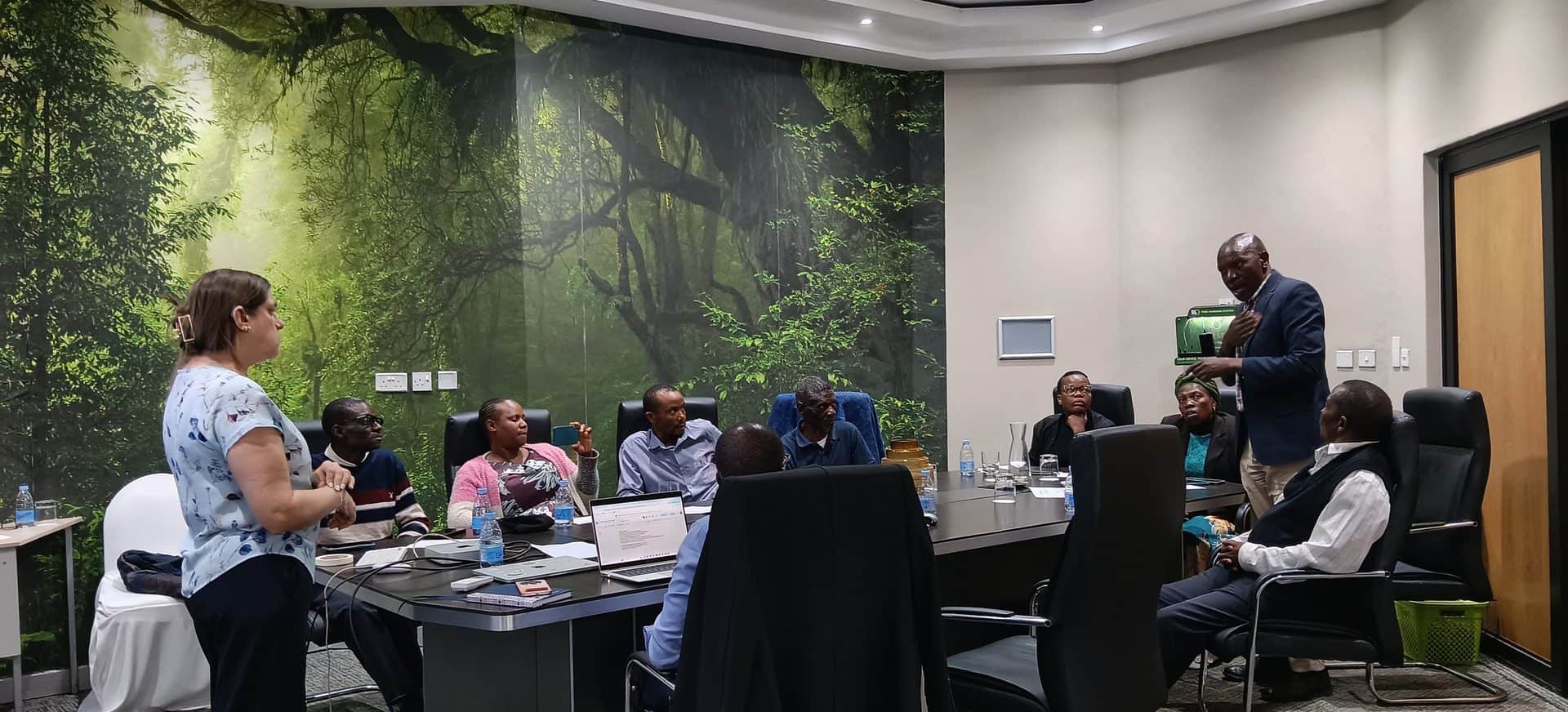
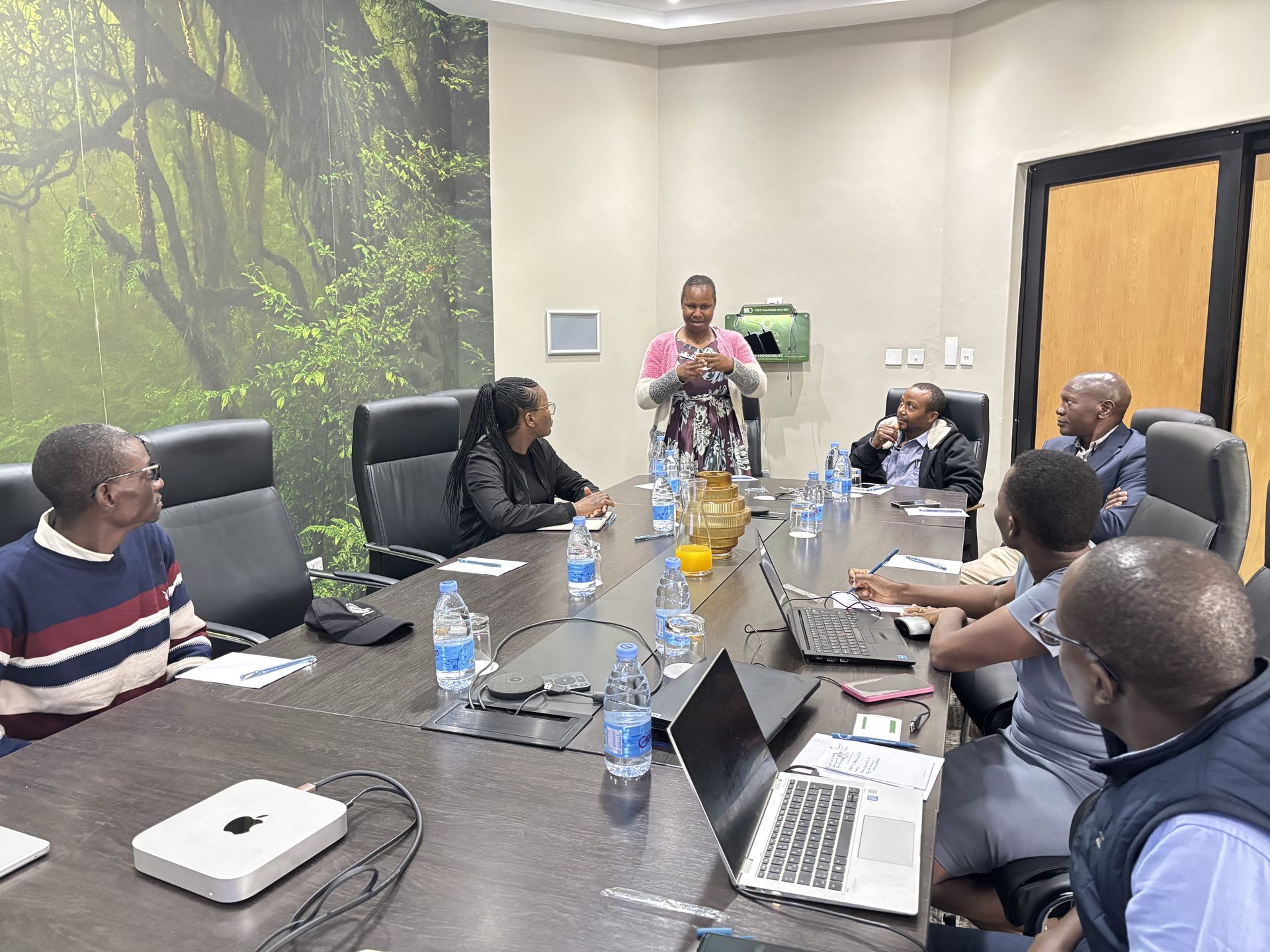
In Zimbabwe, the mission focused on two key priorities: inclusive education and the effective implementation of the constitutional recognition of Zimbabwean Sign Language. Discussions explored how to strengthen advocacy for Deaf learners’ rights, using evidence from inclusive education research to identify challenges and develop practical recommendations for decision-makers.
The mission also examined the gap between the constitutional recognition of Zimbabwean Sign Language and its implementation in practice, identifying the measures needed to advance sign language rights and ensure that recognition translates into tangible improvements in Deaf people’s everyday lives. Throughout the mission, particular attention was given to strengthening evidence-based advocacy and ensuring the meaningful participation of Deaf women and other underrepresented groups.
Turning priorities into action
Both missions worked towards developing concrete advocacy roadmaps and implementation action plans, identifying priority objectives, responsible stakeholders, evidence needs, timelines and indicators to monitor progress.
WFD and its national partners also agreed on continued technical assistance to support organisational development and the advancement of national sign language rights advocacy.
Through the Rights in Action: Strong Connected OPDs for Inclusive Advocacy project, supported by CBM, WFD works alongside its members to strengthen deaf-led organisations and their capacity to advocate for the human rights of deaf people. These missions highlight the importance of connecting organisational development with targeted, evidence-based advocacy to help turn the recognition of sign languages into meaningful action.