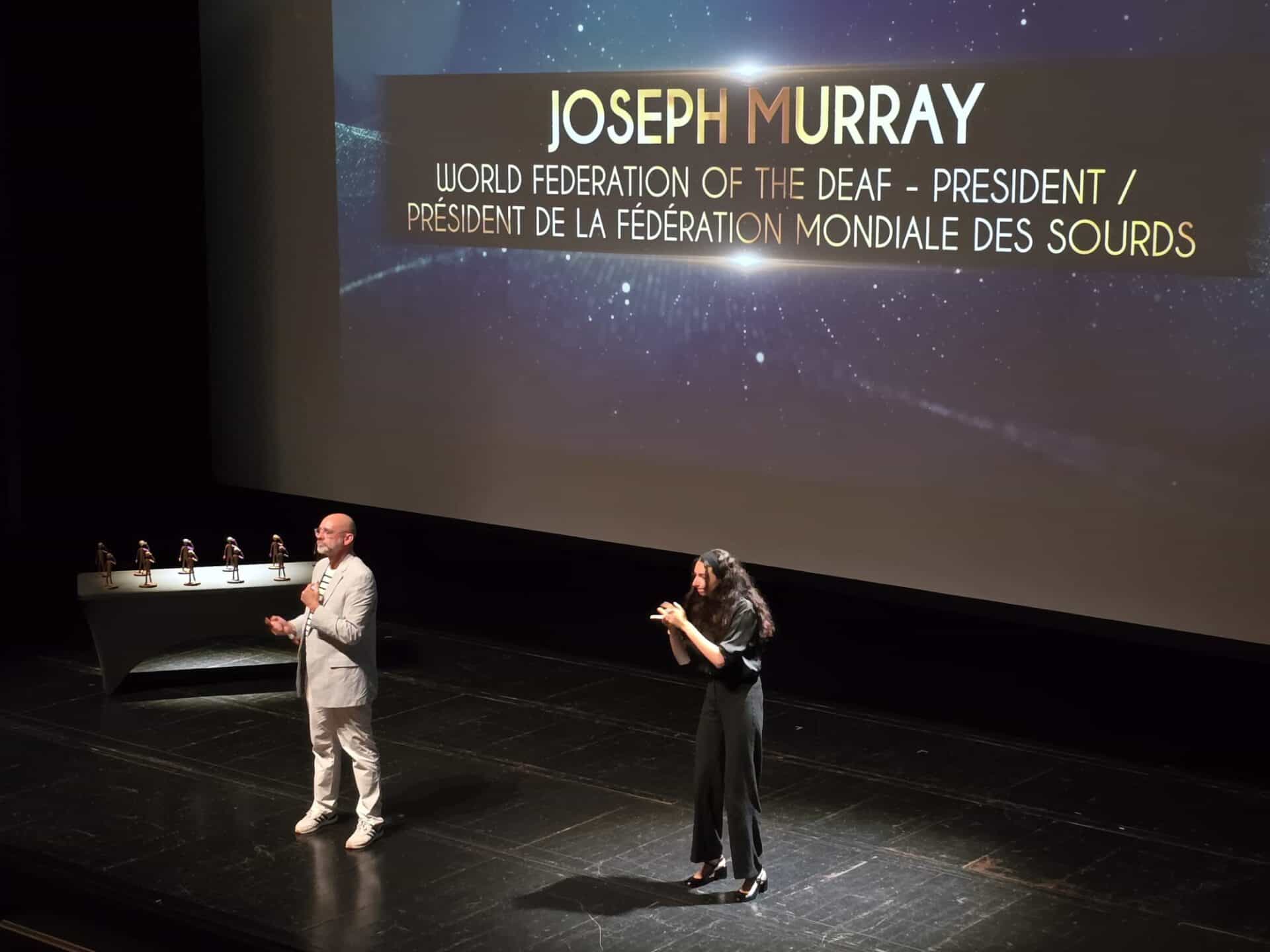
The World Federation of the Deaf (WFD), in partnership with the International Disability Alliance (IDA), has launched a new Deaf Women’s Rights Training project aimed at strengthening the leadership, advocacy skills, and participation of deaf women across Southern Africa.
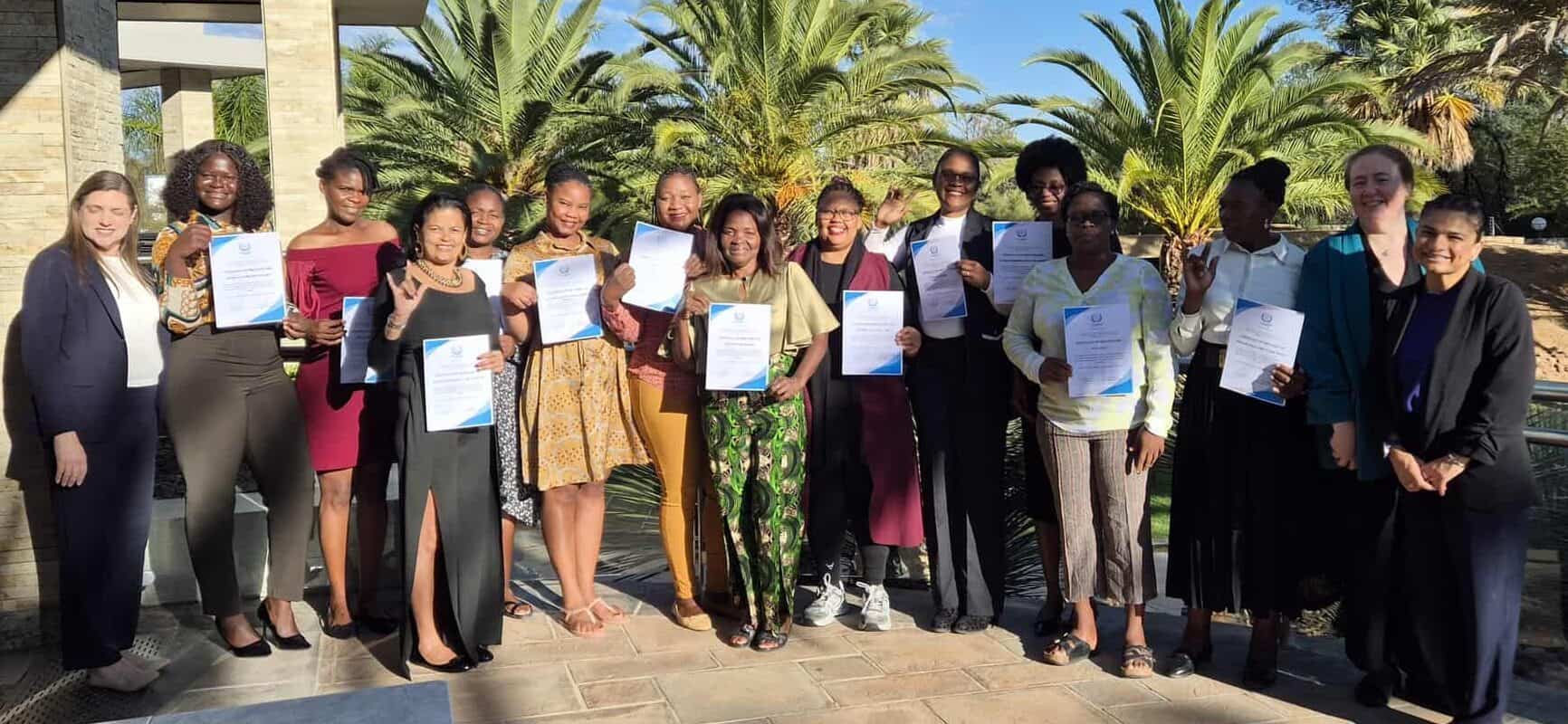
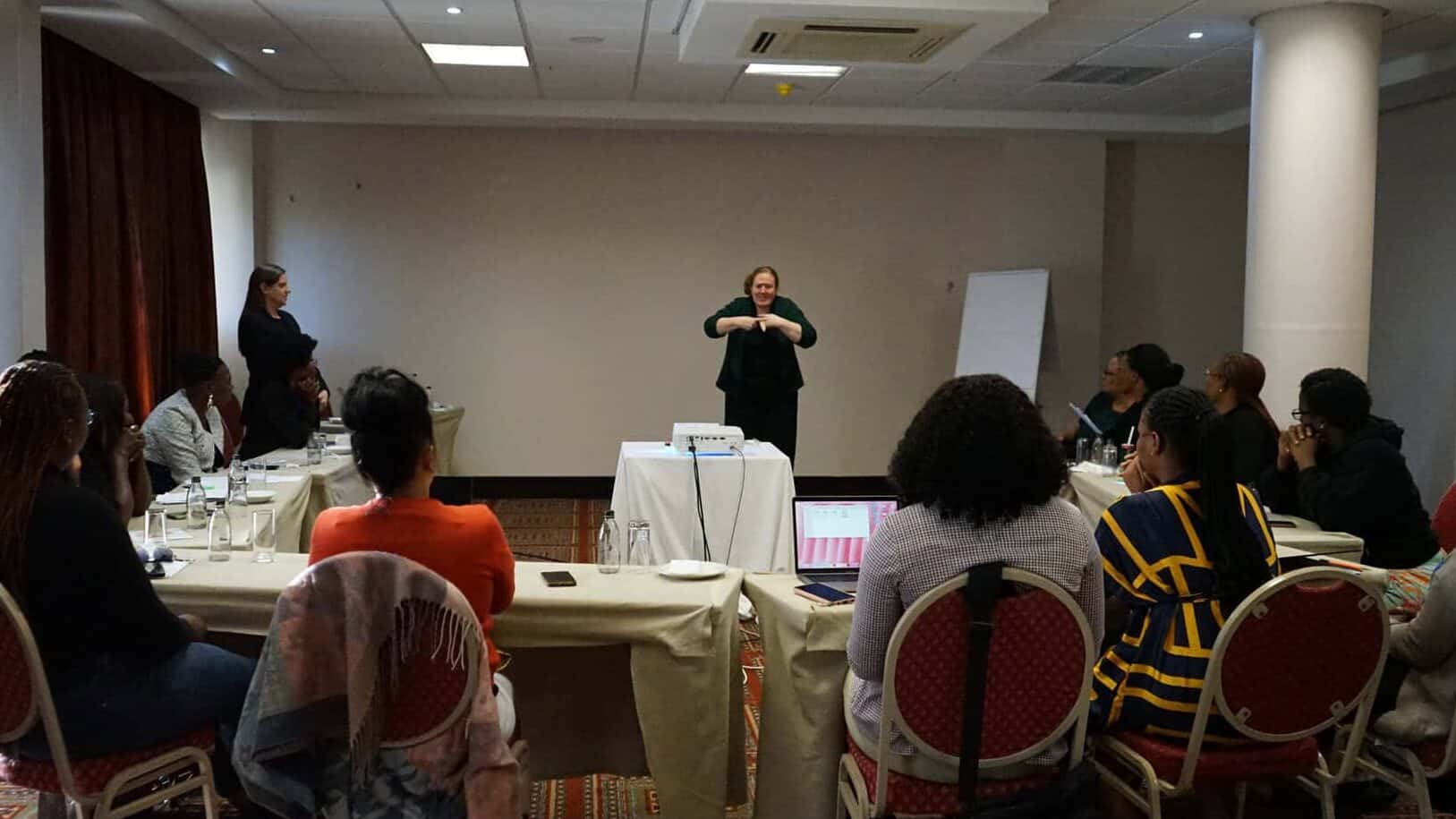
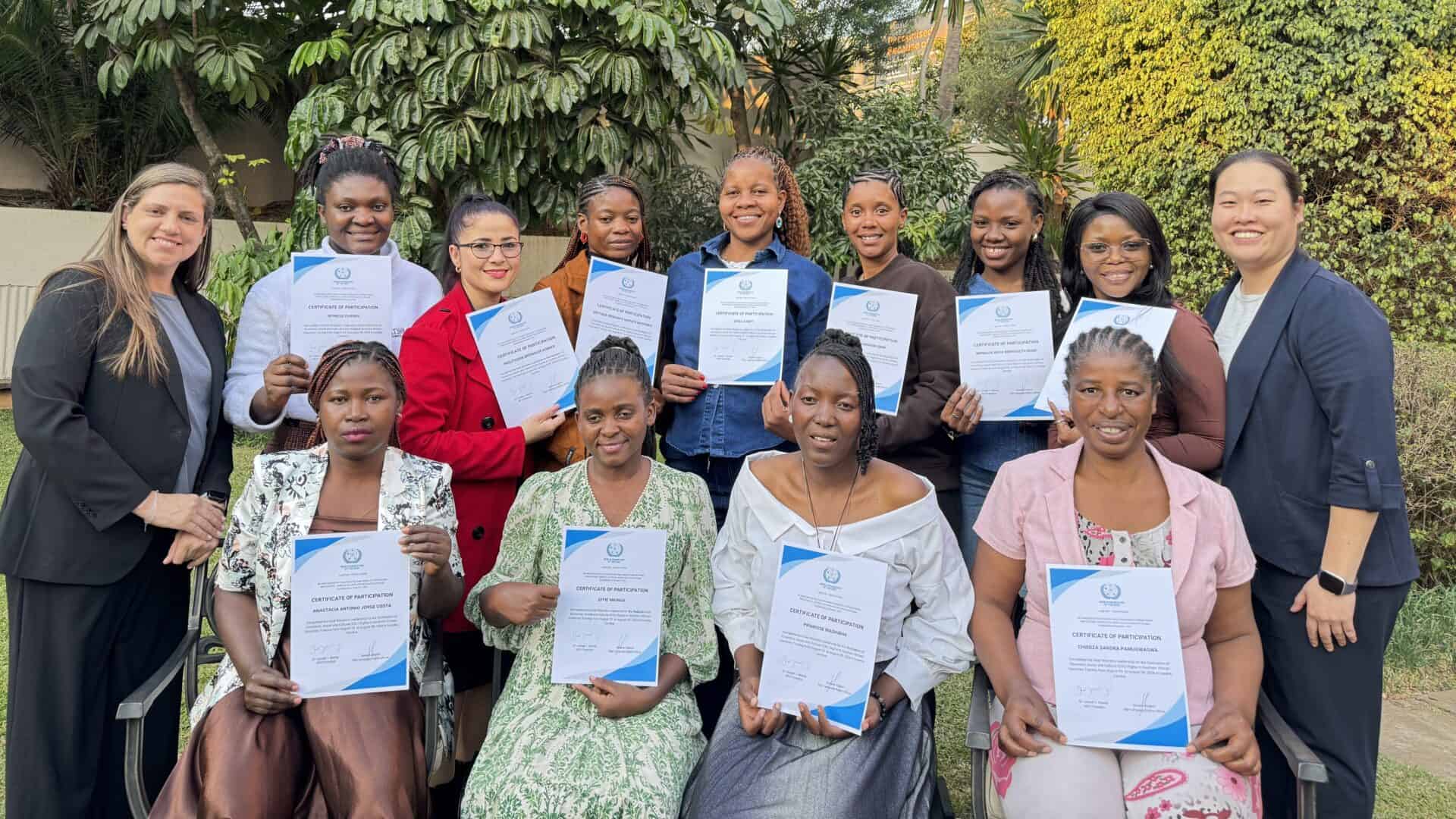
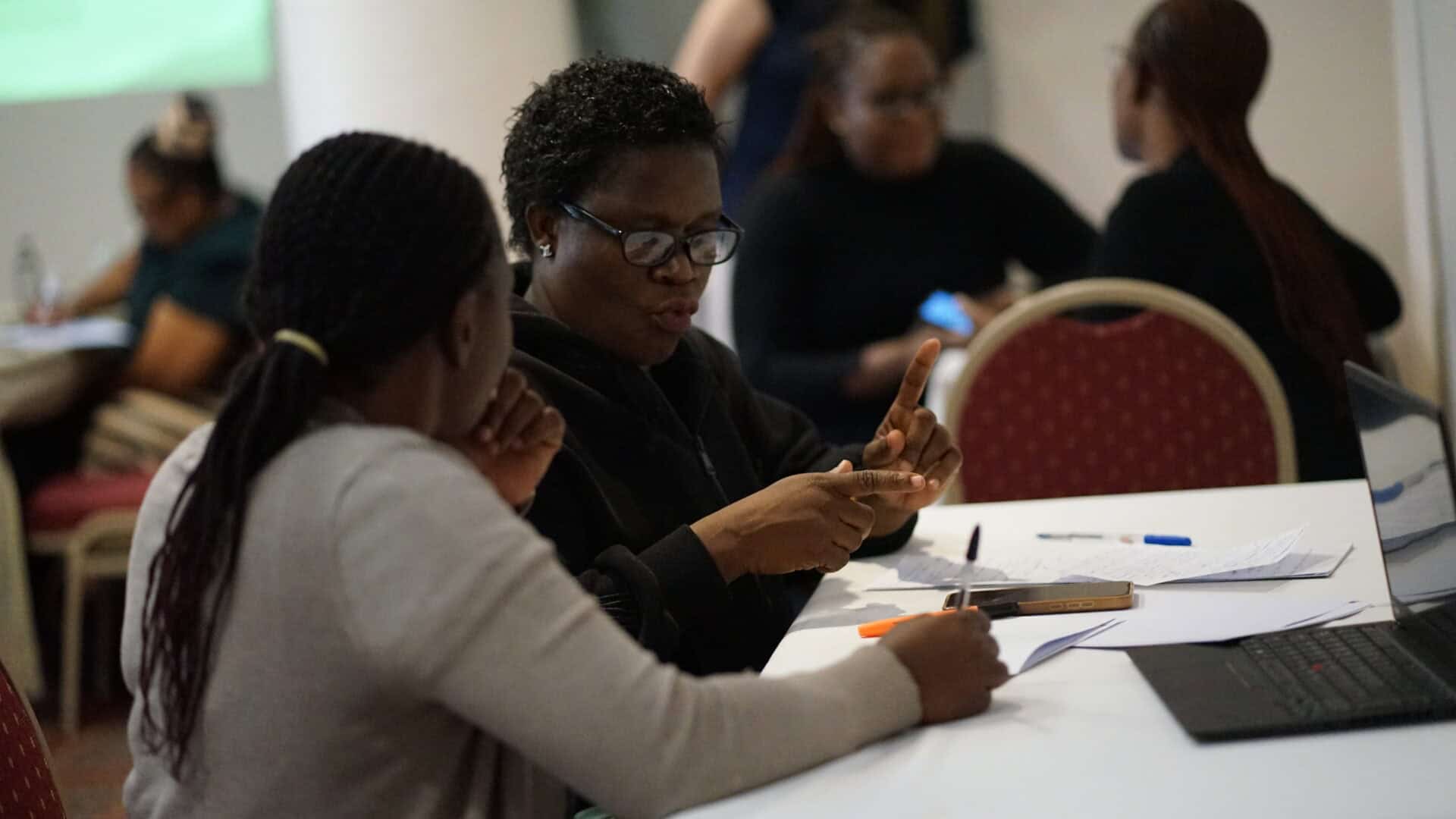
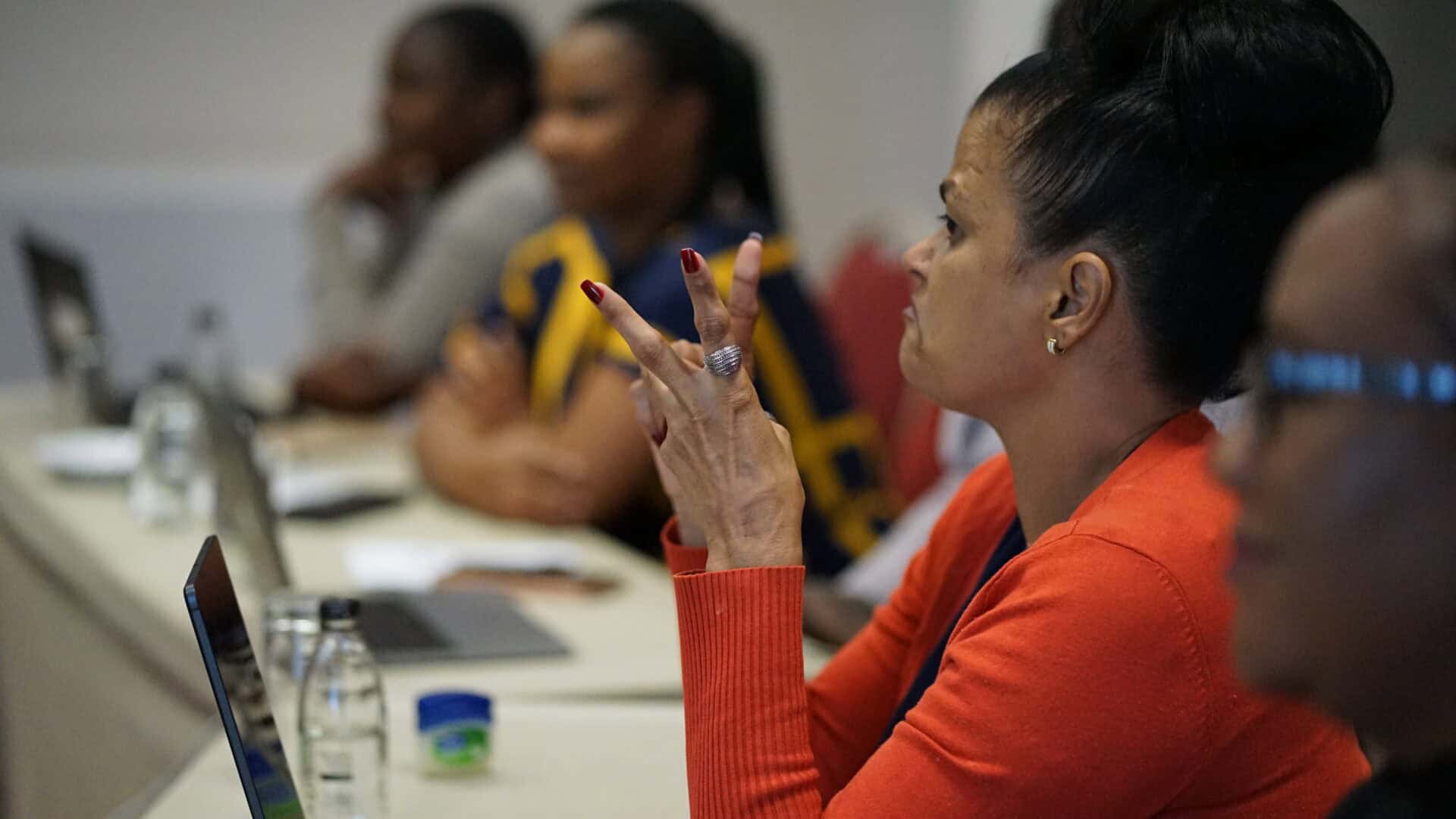
The project brings together deaf women representatives from six countries in the region: Malawi, Mozambique, Namibia, South Africa, Zambia, and Zimbabwe. Through this initiative, the WFD seeks to support deaf women in becoming stronger advocates for their rights and the rights of deaf communities at local, regional and national levels. The first round of training was successfully held in Namibia, where two Deaf women representatives from each participating country took part in an intensive six-day programme.
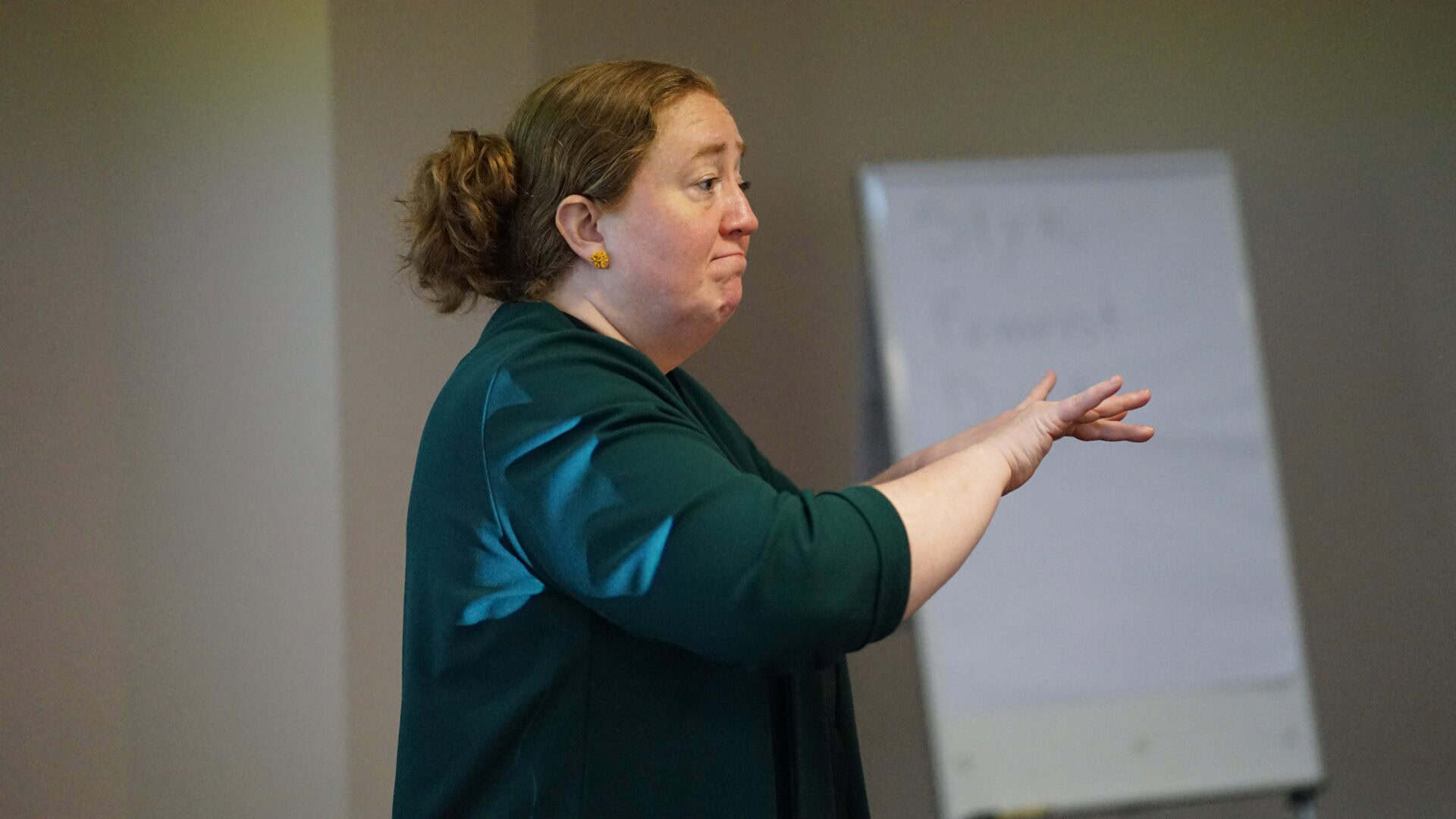
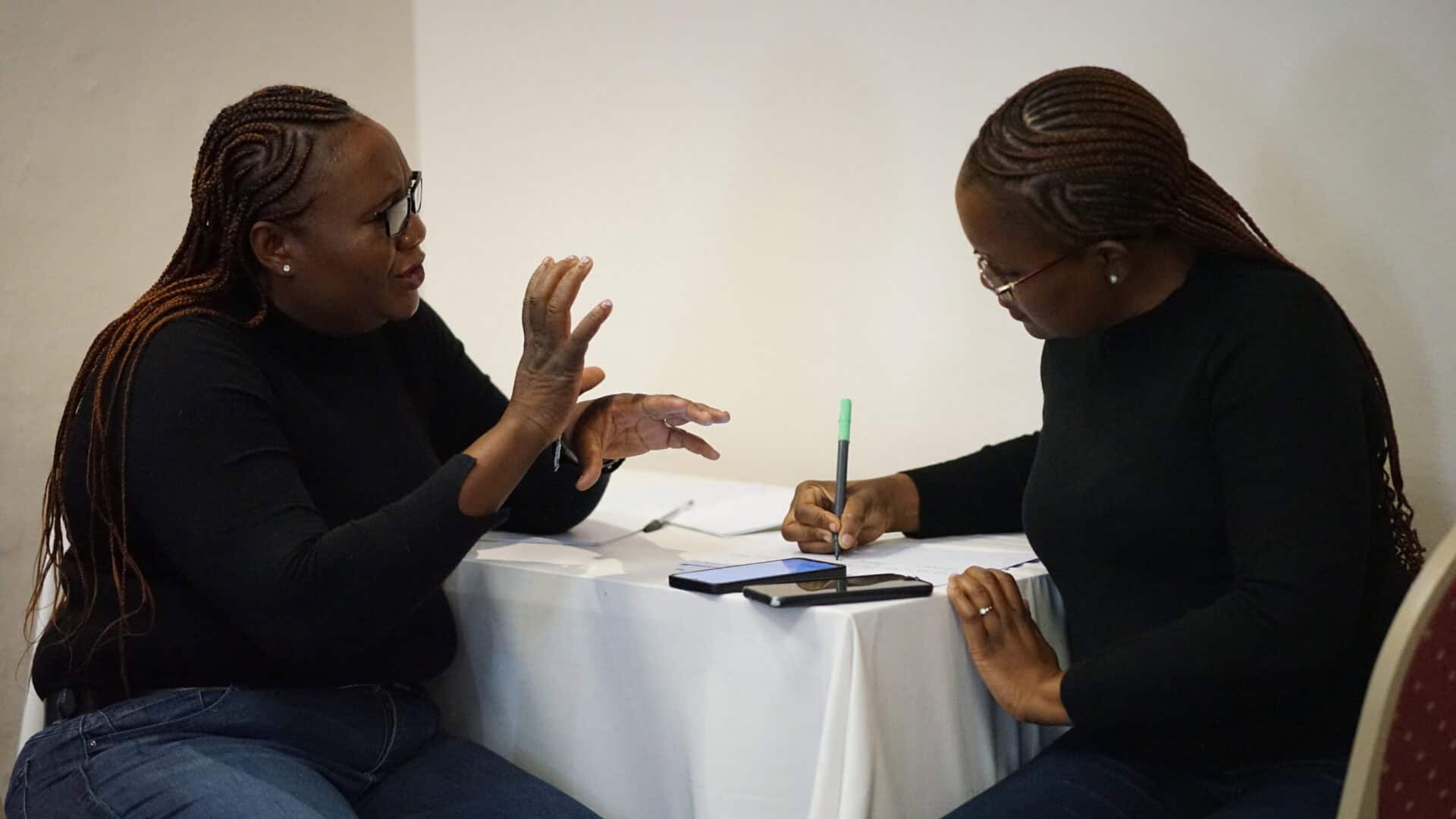
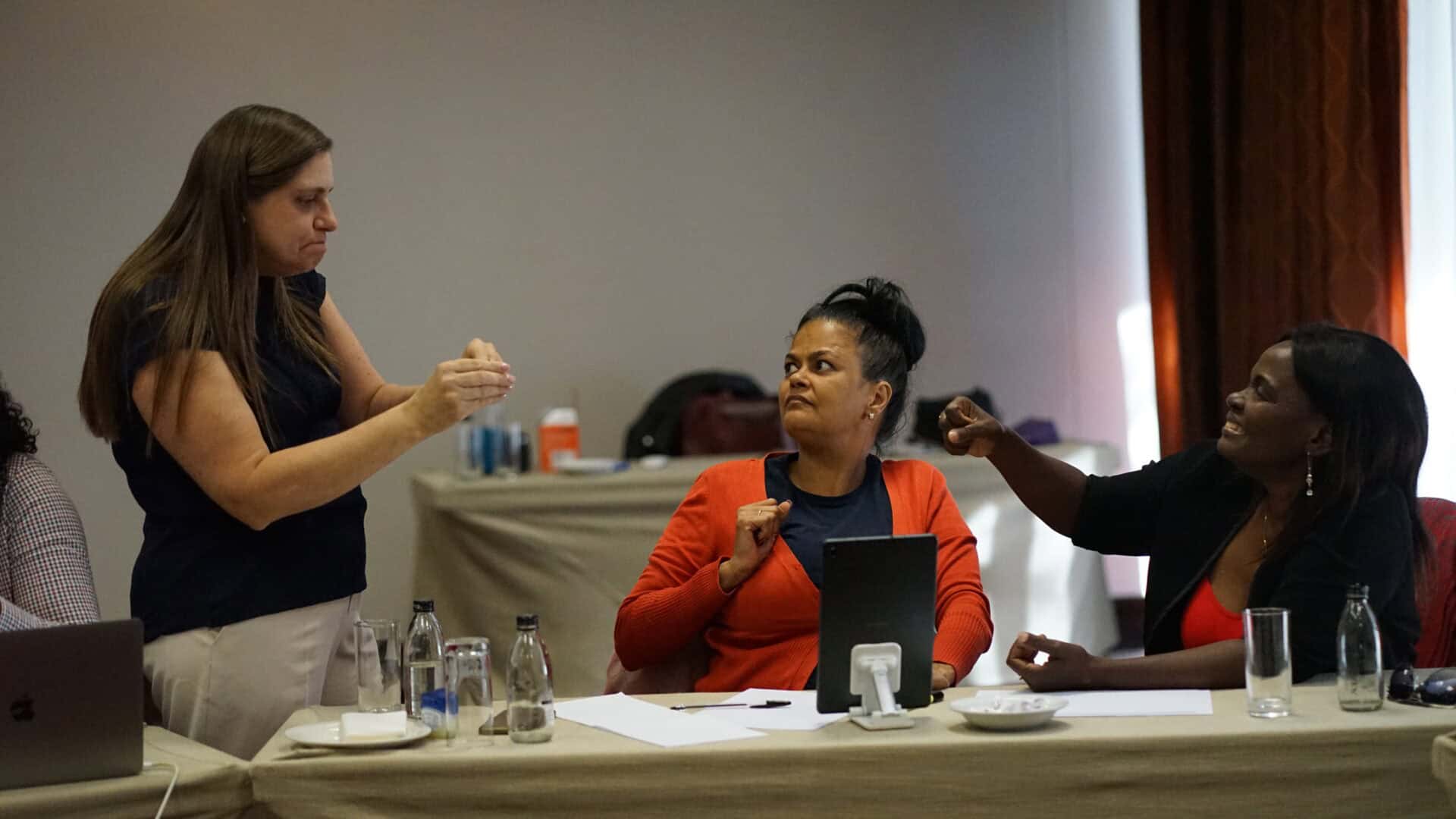
The training covered a wide range of important topics, including the foundations of human rights and the Convention on the Rights of Persons with Disabilities (CRPD), CRPD and CEDAW reporting processes, identity, economic, social and cultural rights, gender-based violence and sexual and reproductive health and rights (SRHR), leadership and advocacy skills, advocacy planning, national action plans, and engagement with stakeholders.
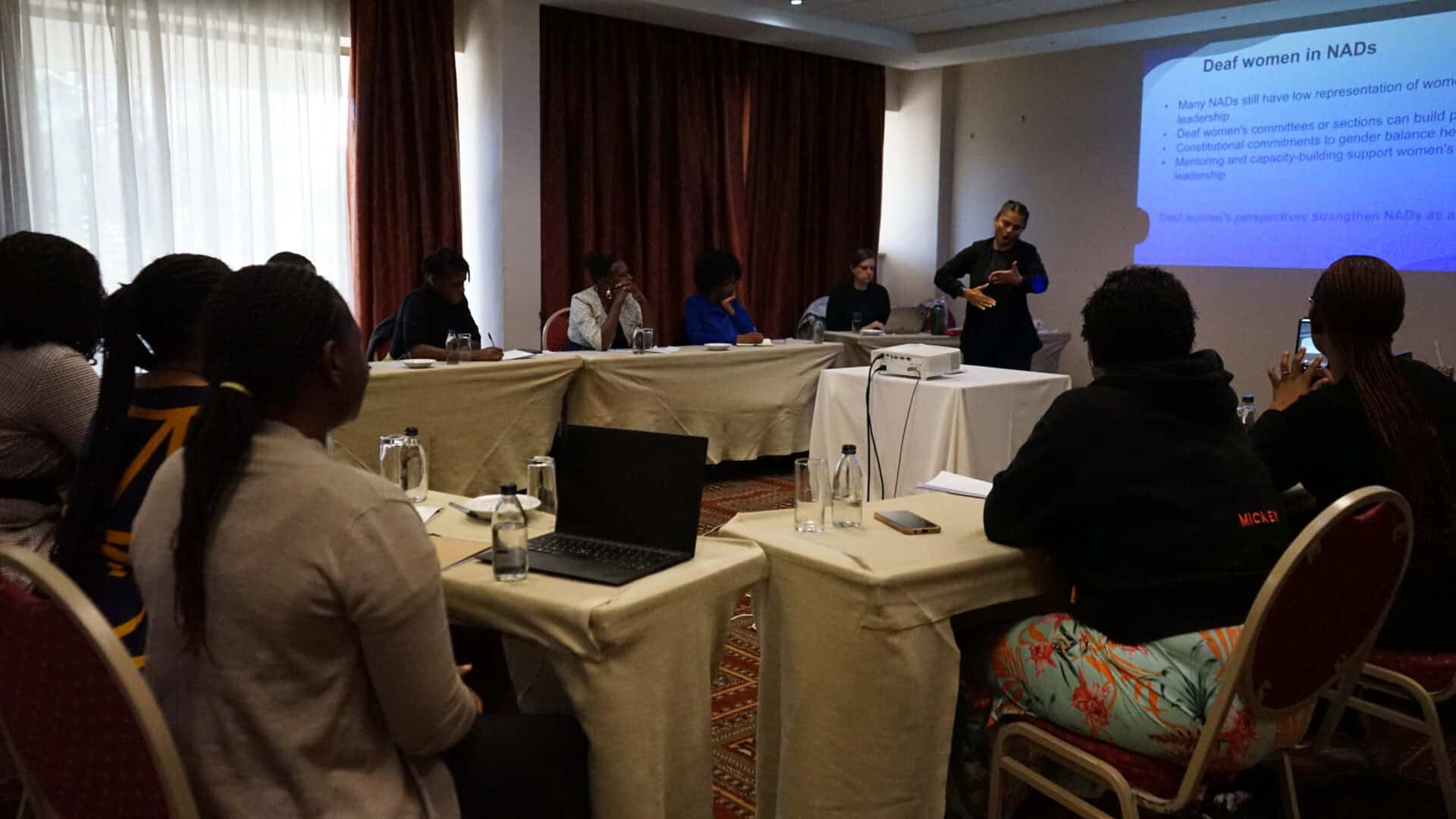
Participants also exchanged experiences and challenges faced by deaf women in their respective countries, creating valuable opportunities for regional collaboration and peer support. The programme encouraged participants to strengthen their knowledge of disability rights frameworks and develop practical advocacy tools to advance equality and accessibility within their communities.
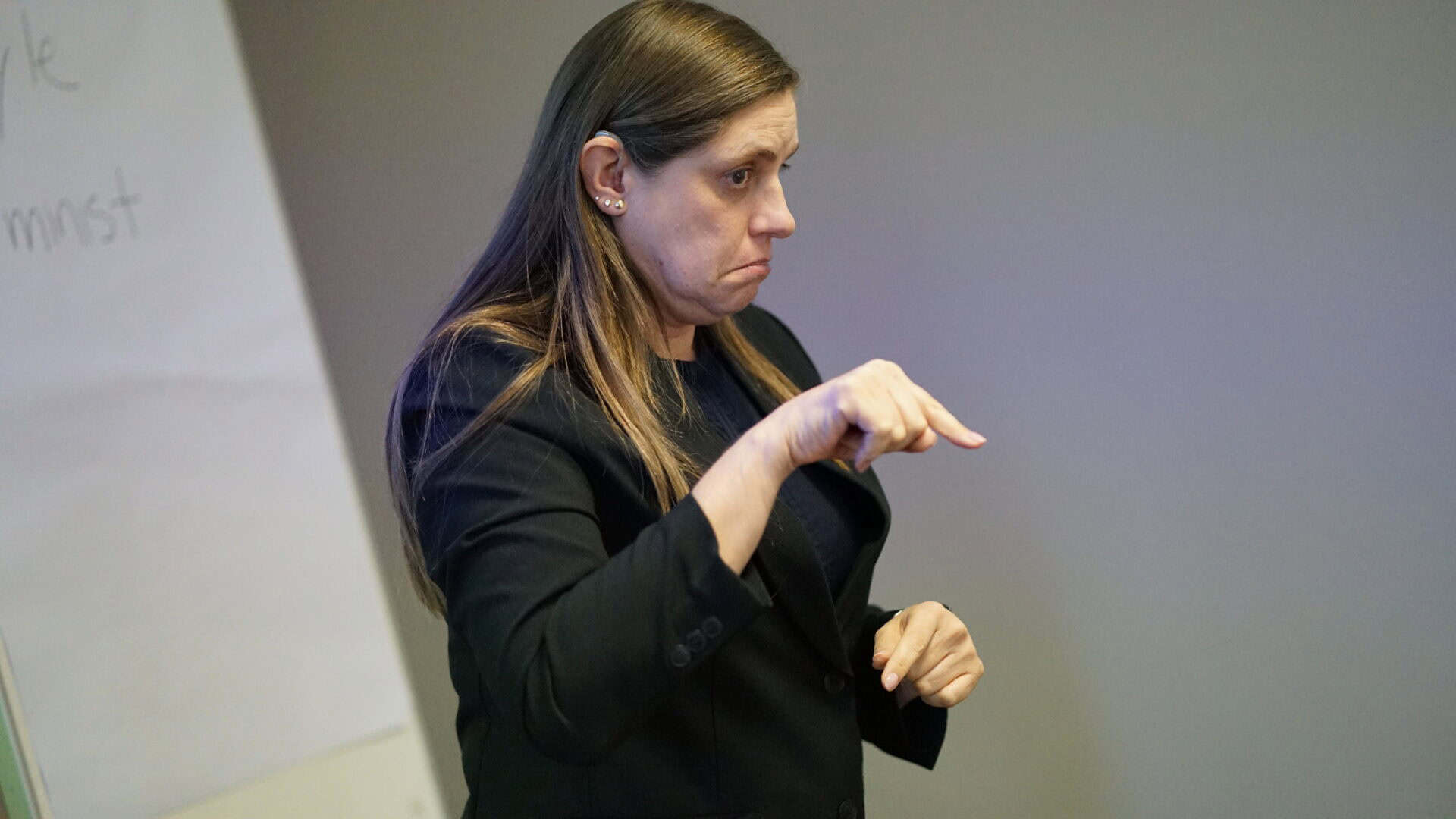
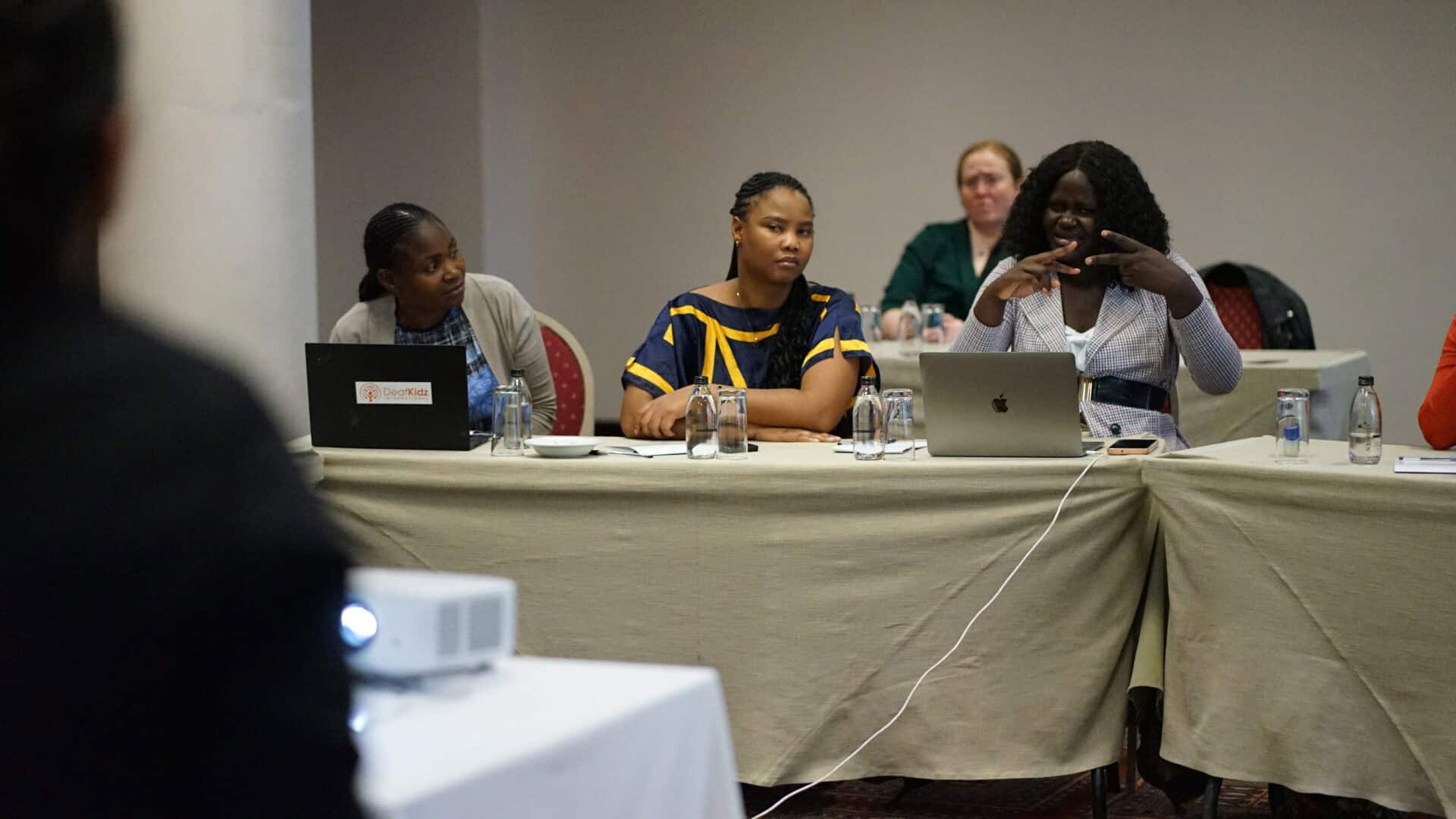
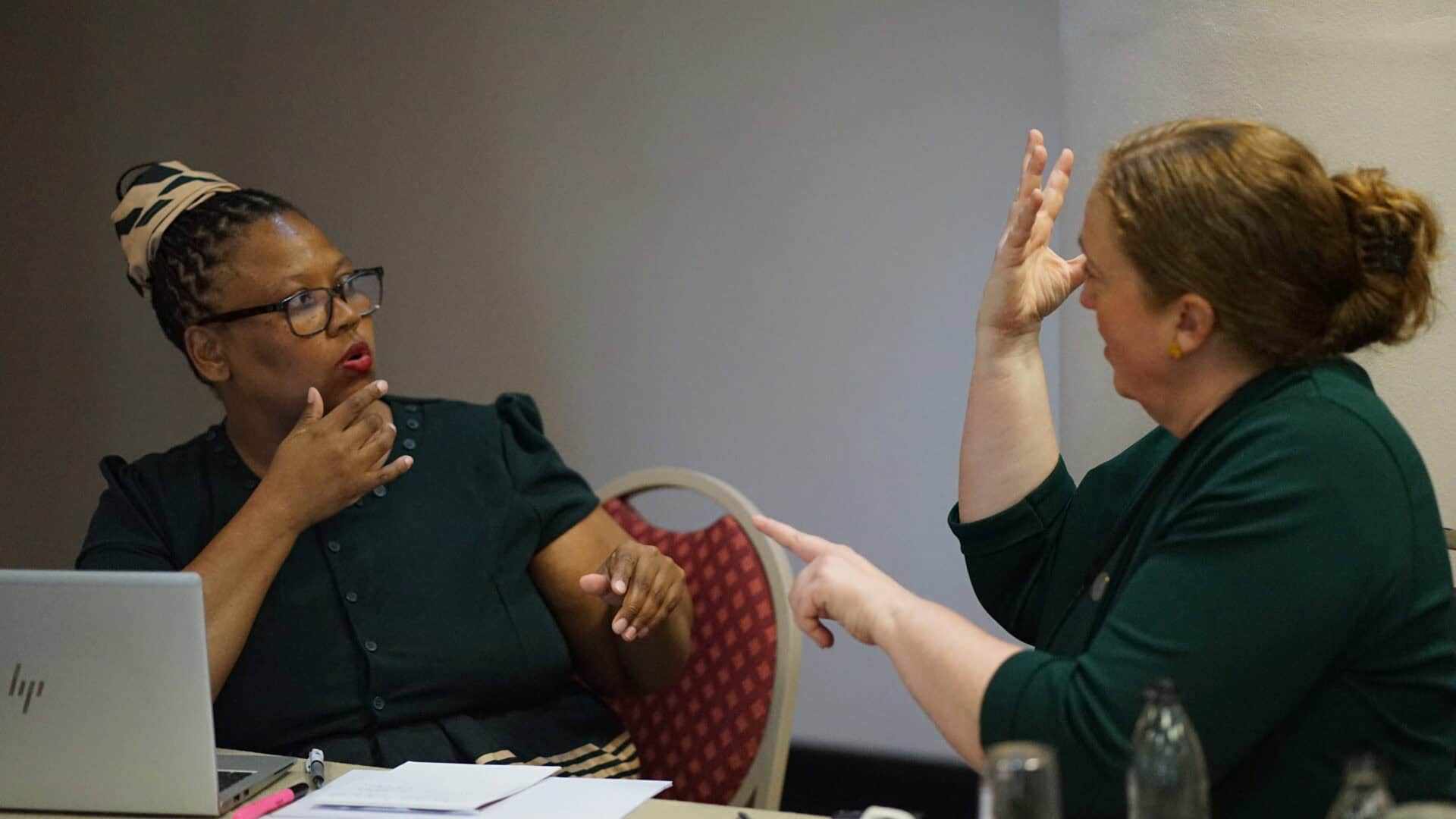
As part of the continuation of the project, a second round of training with participants from the same six countries is planned for 2026. In addition, the WFD will launch a new WFD Campus module on women’s rights later this year, providing further learning opportunities and resources for deaf women and deaf communities worldwide.
This initiative represents an important step toward increasing the visibility and participation of deaf women in leadership spaces and ensuring that deaf women’s perspectives are included in broader discussions on human rights and disability inclusion.