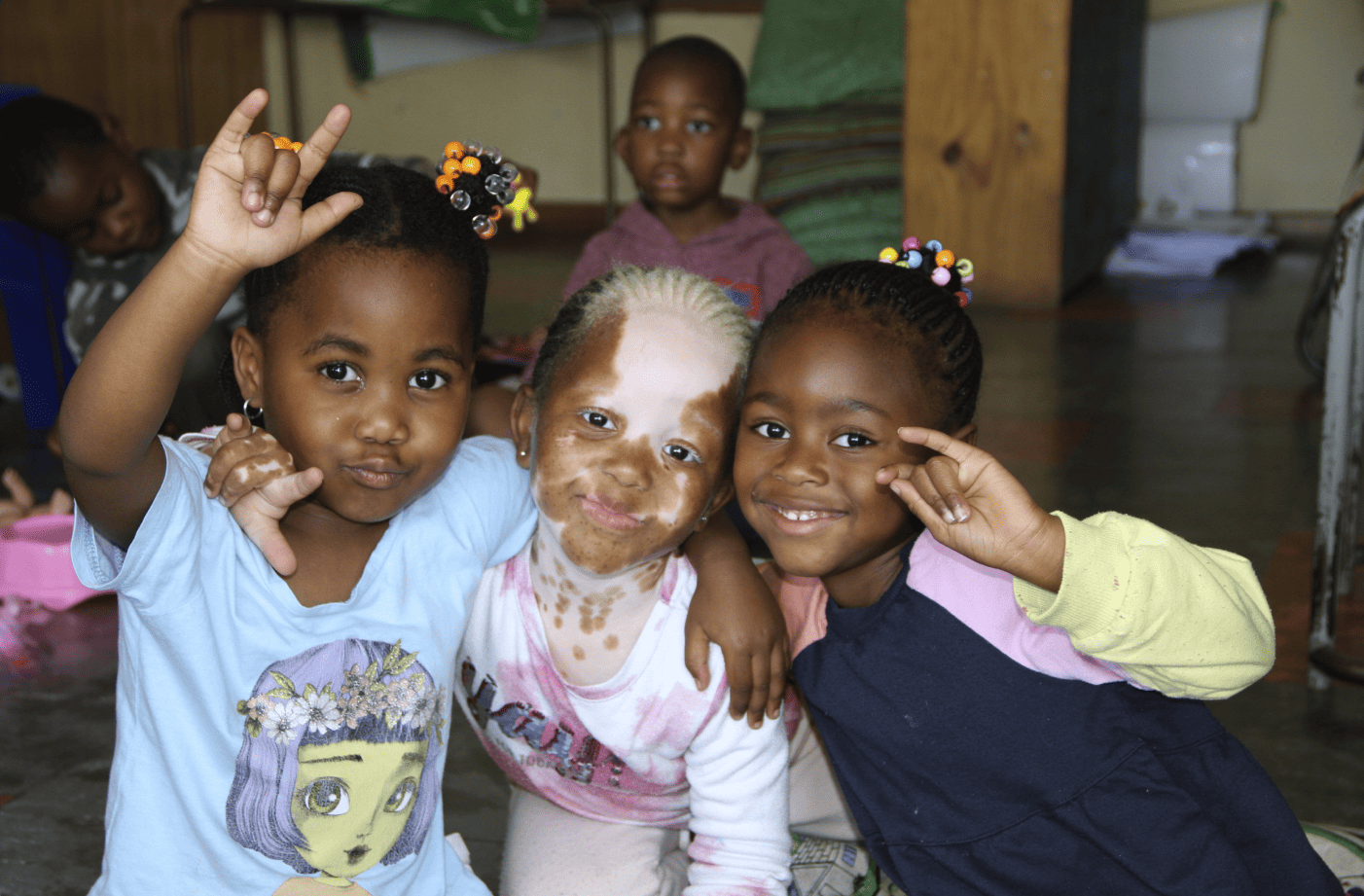
Deafness
Sign Language Rights Are Human Rights
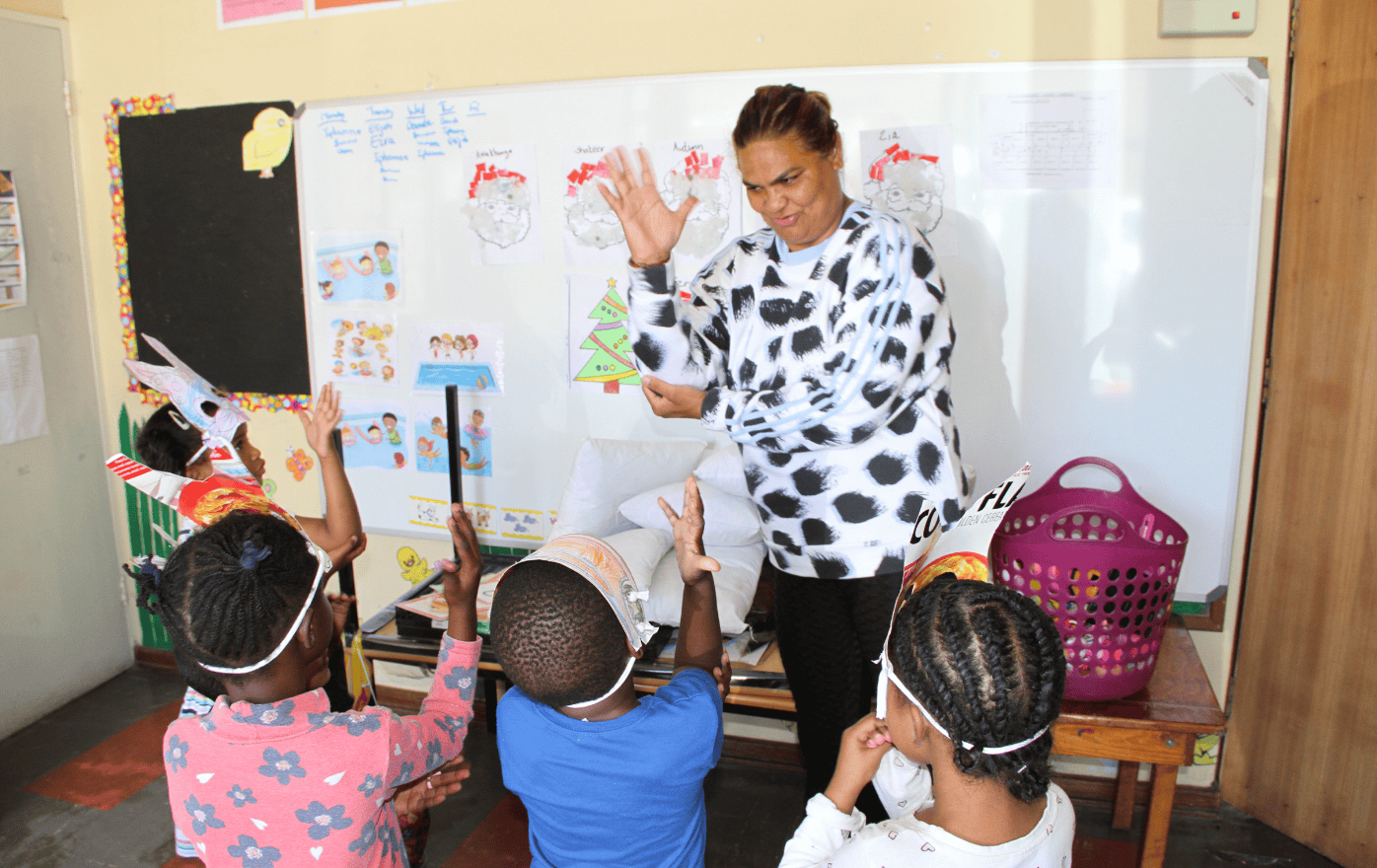
When information is not accessible, when education is not delivered in national sign language, and when communication is limited, exclusion is created.
Inclusion begins by removing these barriers.
Deafness is often understood and defined through a medical lens as something to fix or prevent. Through a human rights–based lens, deafness is recognised as a natural part of human diversity and as a linguistic and cultural identity.
Hearing care can be important. But on its own, it does not guarantee communication, inclusion and equality.
Sign languages are real, natural human languages. They have their own grammar, structure, and vocabulary. For millions of deaf people, sign language is their first language. Early and full access to the national sign language from infancy is essential for:
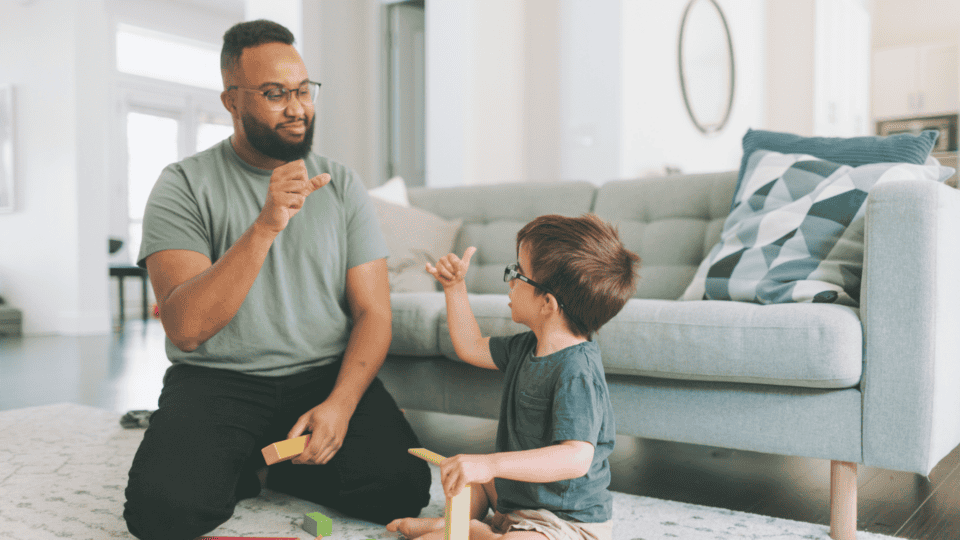
The main challenges deaf people face are not caused by deafness itself, but by lack of access. Without sign language, deaf people encounter barriers in:
These barriers are systemic and they can be changed.
The United Nations Convention on the Rights of Persons with Disabilities (UN CRPD) recognises national sign languages as equal to spoken languages and obliges States to promote, protect, and ensure their use.
Each country has its own national sign language(s), reflecting the linguistic and cultural diversity of deaf communities around the world. Yet in many countries, national sign languages still lack legal recognition and full implementation.
Sign language rights are not symbolic. They are essential to equality, dignity, and participation.
Your support helps make sign language accessible to deaf people around the world.