The Legal Recognition of National Sign Languages
Ensuring Rights for All Deaf People

Deaf people worldwide have historically faced, and continue to face, discrimination with regard to the use of their national sign languages.
This includes barriers to natural language access as well as frequently confronting situations of not having equal and real-time access to information and communication in their daily lives. This is particularly acute in educational settings, and the COVID-19 pandemic has illustrated the critical need to continue working to secure this right in emergency situations and during humanitarian disasters.
The World Federation of the Deaf considers the lack of meaningful sign language legislation on the national level a grave violation of deaf peoples’ fundamental rights.
Here is the list of the 84 countries that have achieved Sign Language Legislation and the year:
✅ 43.1% of countries officially recognise their national sign language (84 out of 195).
❌ 56.9% of countries do not recognise their national sign language (111 out of 195).

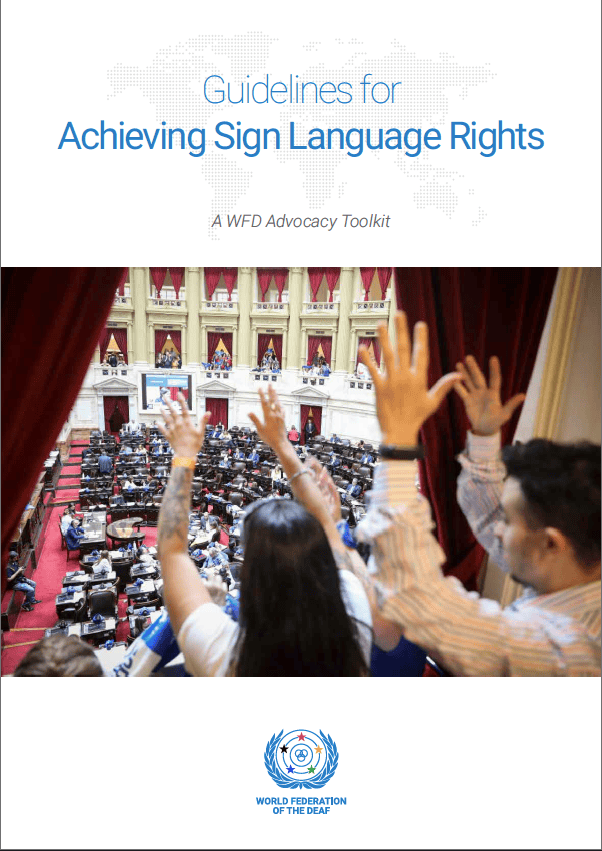
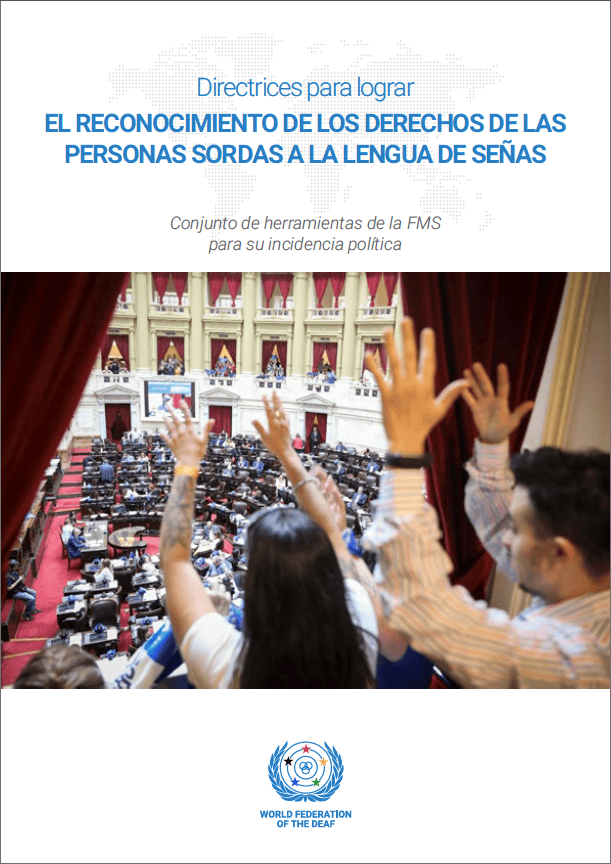
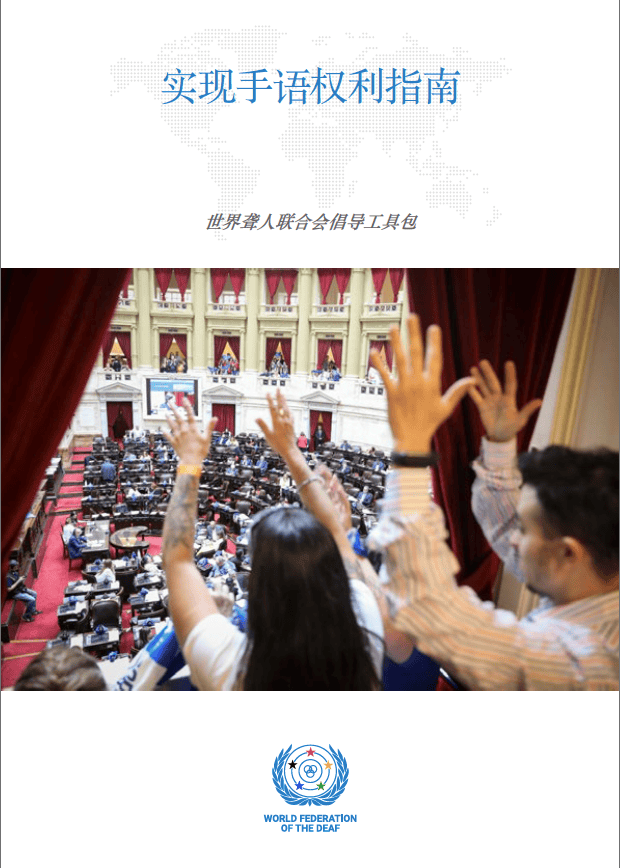
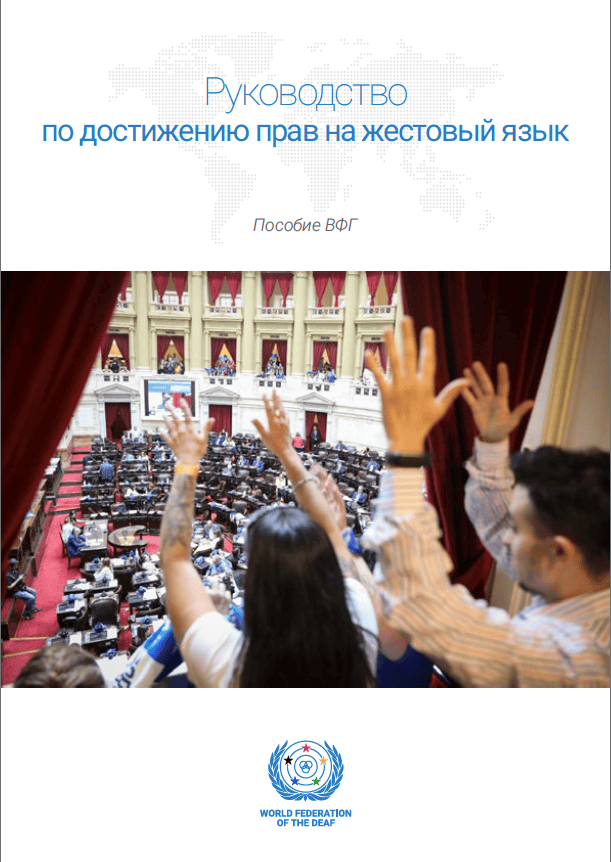
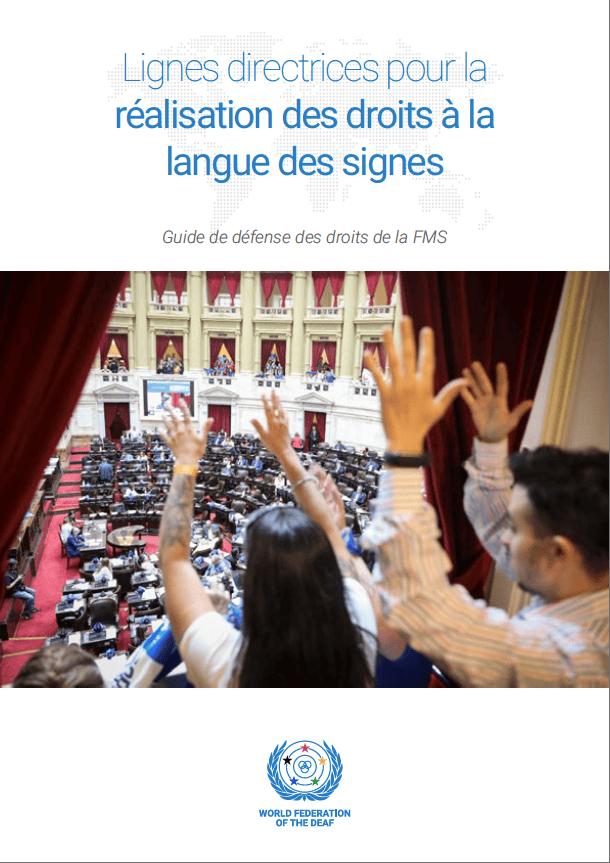
58 % of countries in the world have not legally recognised their national sign language. To support the advocacy work of our Ordinary Members, WFD is pleased to launch the Guidelines for Achieving Sign Language Rights. In this advocacy toolkit we have developed tools and strategies that will strengthen deaf communities and advance the adoption of robust and meaningful legal recognition of national sign languages.
This book is the outcome of a project funded by the Nippon Foundation, “Securing Access to Sign Language Rights,” since 2019. The primary goals of the project were to provide national associations of deaf people with a set of resources that promote their aims of securing legal recognition for their national sign languages. In addition to this Guidelines, the WFD conducted a few workshops to strengthen the capacities of national deaf associations, and provide information and resources on sign language rights.
The WFD encourages national associations of deaf people, allies and advocates, policymakers, and all other stakeholders to use this toolkit to ensure all deaf people can enjoy a fundamental human right: the right to a language.
With this toolkit, we take a step closer to our vision of a world where deaf people everywhere can sign anywhere.